

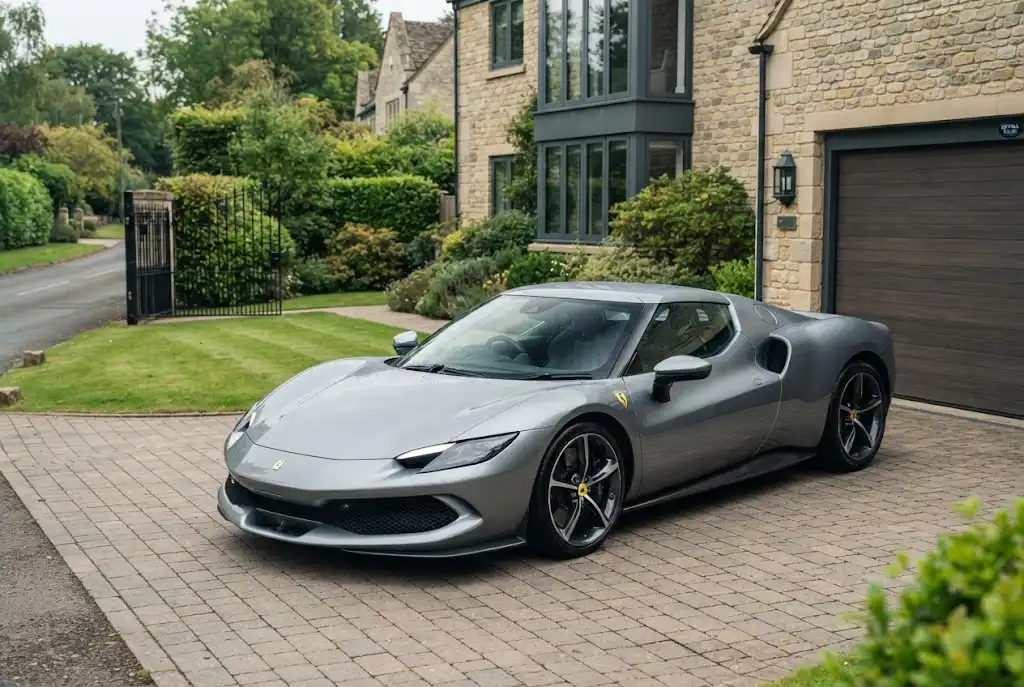
Specialist car insurance cost can vary significantly depending on the vehicle, driver, intended use and level of cover required. Unlike ordinary motor insurance, specialist policies are often designed for cars with unusual characteristics, higher values, modifications or particular usage requirements.
That does not mean specialist insurance is always expensive. In some cases, a carefully maintained classic car with limited annual mileage can be relatively straightforward to insure. In other situations, a powerful modified vehicle or high-value luxury car can carry a substantially higher premium.
Understanding what insurers consider can help you compare quotations more effectively and avoid focusing on price without considering whether the policy actually suits your vehicle.
What Determines Specialist Car Insurance Cost?
There is no standard price for specialist car insurance because every risk is assessed differently. Insurers may consider a combination of vehicle, driver and usage factors before calculating a premium.
Common factors include:
- The vehicle’s make and model
- Vehicle age and specification
- Current or estimated value
- Engine size and performance
- Modifications
- Annual mileage
- Driver age and experience
- Claims history
- Driving convictions where relevant
- Where the vehicle is stored
- Security arrangements
- Intended use
- Level of cover selected
- Policy excess
Because these factors interact, two owners with similar vehicles can receive very different quotations.
Why Specialist Insurance Costs More
Many drivers ask why specialist insurance costs more than an ordinary car policy. The answer is usually connected to the characteristics of the risk rather than the word “specialist” itself.
A specialist vehicle may be more expensive to repair, harder to value, more difficult to replace or more vulnerable to theft. Modified vehicles can also have components that increase repair costs or alter the vehicle’s performance.
Insurers need to account for these factors when pricing a policy. A higher premium can therefore reflect the potential cost of a claim rather than an arbitrary surcharge for owning an unusual car.
However, specialist cover does not automatically cost more in every situation. A classic vehicle that is driven only occasionally and kept securely may present a different risk from a powerful sports car used extensively throughout the year.
Specialist Vehicle Insurance Prices for Different Cars
Specialist vehicle insurance prices can differ considerably depending on the type of vehicle being insured.
A classic car, modified hatchback, imported sports car and luxury saloon can all fall under the broad specialist category while presenting very different risks.
Classic Cars
Classic cars may benefit from lower mileage because many are used primarily for leisure, shows or occasional trips rather than daily commuting.
However, their age, condition, availability of replacement parts and valuation can make them more complicated to insure. Restoration work and rare components may also need to be taken into account.
Modified Cars
Modifications can affect premiums because they may change the vehicle’s performance, value or repair costs.
Engine upgrades, suspension changes, performance exhausts, aftermarket wheels and body modifications are examples of changes that may need to be declared. The insurer may assess each modification as part of the overall risk.
Imported Vehicles
Imported vehicles can require specialist consideration because their specifications, parts availability and values may differ from vehicles originally supplied to the UK market.
The cost of repairing an imported model can be influenced by the availability and price of specialist parts. Insurers may therefore consider the vehicle’s exact specification rather than simply relying on its badge and model name.
High-Value Vehicles
High-value vehicles can produce larger claims if stolen or written off. Their replacement parts may also be expensive, while certain repairs may require specialist facilities or technicians.
This is one reason owners of expensive vehicles should examine the policy’s valuation and claims arrangements rather than comparing premiums alone.
Luxury Car Insurance Cost
Luxury car insurance cost can be higher than the price of insuring an ordinary family vehicle, although the actual premium depends on the individual risk.
The Luxury vehicles can contain advanced technology, expensive interior materials, powerful engines and specialist equipment. Repairing or replacing these components can increase the potential cost of a claim.
The vehicle’s security profile may also be relevant. Some high-value cars are attractive targets for theft, which can influence how insurers assess the risk.
If you own a prestige or high-value vehicle, it is worth comparing the specific features available through luxury car insurance rather than assuming that an ordinary comprehensive policy will provide the most appropriate solution.
High Risk Insurance Cost and Driver Factors
High risk insurance cost can be influenced by the driver as well as the vehicle. Insurers may consider driving experience, claims history and relevant convictions when assessing risk.
A driver with previous claims or convictions may receive a higher quotation because the insurer’s assessment of future risk changes.
The type of vehicle can compound this effect. For example, a high-performance car driven by a relatively inexperienced driver may be assessed differently from a lower-powered vehicle driven by someone with a longer, cleaner driving history.
It is important to provide accurate information when requesting a quotation. Deliberately withholding relevant details can create serious problems if a claim occurs.
Does Annual Mileage Affect Specialist Car Insurance Cost?
Annual mileage can be an important factor, particularly for vehicles that are not used as everyday transport.
A classic car that travels a relatively low number of miles each year may represent a different exposure to risk from a specialist vehicle driven thousands of miles for commuting and long-distance travel.
Some specialist policies may therefore offer mileage options or restrictions. If you choose a policy with a mileage limit, make sure the allowance realistically reflects your expected driving.
Do not deliberately underestimate mileage simply to obtain a lower quotation. The information supplied to an insurer should reflect how you actually intend to use the vehicle.
How Vehicle Storage Can Affect the Premium
Where a specialist vehicle is stored can also form part of an insurer’s risk assessment.
A car kept overnight in a secure garage may present a different theft exposure from a vehicle regularly parked on the street. Depending on the policy and insurer, security measures may therefore form part of the underwriting process.
Potential security considerations can include:
- Private garage storage
- Secure gates or premises
- Approved alarms
- Immobilisers
- Tracking systems
- Other approved security arrangements
Never assume that installing a particular device will automatically reduce your premium. The insurer’s own requirements determine whether a security feature is recognised and how it affects the quotation.
How Modifications Can Increase or Reduce Costs
Modifications do not have one universal effect on premiums. The insurer may consider the nature and extent of the modification, the quality of the work and how it changes the vehicle’s risk profile.
Performance modifications can increase the perceived risk because they may increase power or alter handling. Cosmetic modifications can be assessed differently, while professionally completed changes may receive different treatment from extensive or poorly documented alterations.
The most important step is disclosure. Give the insurer an accurate description of relevant modifications and keep documentation for major work.
If your car has substantial modifications, comparing specialist car insurance providers can help you find insurers whose underwriting is designed around unusual vehicles.
Does a Higher Excess Reduce Specialist Car Insurance Cost?
Choosing a higher voluntary excess can sometimes reduce the premium because you agree to contribute more towards an eligible claim.
However, the saving should be weighed against what you could realistically afford to pay if a claim occurs.
For a high-value or specialist vehicle, a large excess can represent a substantial amount of money. Therefore, do not select an excess purely because it produces the lowest quotation.
Agreed Value and Specialist Vehicle Insurance Prices
Valuation can be particularly important for specialist vehicles because market values are not always straightforward.
Some specialist policies may provide an agreed-value arrangement, subject to the insurer’s terms and any valuation evidence required. Others may use a different approach.
If your vehicle has undergone restoration, contains rare components or has a particularly unusual specification, ask how the insurer determines its value before purchasing cover.
Keep relevant documents such as purchase invoices, restoration records, photographs and receipts for significant work. These records can help support the vehicle’s condition and value where documentation is required.
How to Reduce Specialist Car Insurance Cost
There are several legitimate ways to make specialist cover more affordable without reducing important protection.
Compare Multiple Quotations
Different insurers can assess the same specialist vehicle differently. Comparing several suitable providers can therefore reveal significant differences in premiums and policy terms.
Choose a Realistic Mileage
If your vehicle is genuinely used occasionally, an appropriate lower mileage arrangement may be available. Make sure the mileage limit is realistic rather than artificially low.
Improve Vehicle Security
Where an insurer recognises particular security arrangements, suitable storage or approved security equipment may influence the risk assessment.
Consider the Excess Carefully
A voluntary excess can affect the premium, but choose an amount that remains financially manageable in the event of a claim.
Keep Modifications Documented
Clear documentation can make it easier for an insurer to understand the vehicle and provide an accurate quotation.
Choose Appropriate Cover
Pay for the protection you genuinely need, but do not remove important cover simply to obtain the lowest possible price. The purpose of insurance is to provide meaningful financial protection when something goes wrong.
Can Temporary Cover Be Cheaper?
If you only need to drive a specialist vehicle for a short period, temporary insurance may sometimes be more appropriate than paying for a full annual policy.
However, the daily price of short-term insurance can be comparatively high, especially for specialist or high-value vehicles. If you need repeated temporary policies, the combined cost may eventually exceed the price of annual cover.
Our guide to temporary specialist car insurance explains when short-term cover may make sense and which policy details deserve particular attention.
Why the Cheapest Quotation May Not Be the Best Option
It can be tempting to select the lowest premium, particularly when specialist insurance quotations vary considerably. However, price should not be separated from the protection provided.
Before choosing a policy, check:
- Vehicle valuation
- Excesses
- Modifications
- Mileage restrictions
- Permitted use
- Repair arrangements
- Security requirements
- Policy exclusions
- Claims procedures
A slightly more expensive policy may offer terms that are considerably better suited to your vehicle. Conversely, an expensive policy is not automatically superior. The objective is to find the right balance between price and appropriate protection.
How to Compare Specialist Car Insurance Quotes
When comparing quotations, create a like-for-like comparison. Make sure the vehicles, drivers, mileage, usage and coverage assumptions are consistent.
Then compare the premium alongside the excess, exclusions and key policy features.
If one quotation is dramatically cheaper, investigate why rather than assuming you have found a bargain. It could reflect different assumptions about mileage, vehicle value, modifications or permitted use.
Likewise, if one quotation is substantially higher, ask whether the difference comes from a specific risk factor or simply from the insurer’s underwriting model.
Is Specialist Car Insurance Worth the Cost?
Specialist insurance can be worthwhile when it provides protection that accurately reflects an unusual vehicle or driving situation.
For an owner of a classic, modified, imported, luxury or high-value car, the cheapest standard policy may not necessarily offer the most appropriate protection. A specialist policy can potentially provide a better fit for the vehicle’s characteristics.
The key is to assess the actual policy rather than assuming that specialist cover is automatically better or more expensive.
Understanding who needs specialist car insurance is a useful starting point if you are uncertain whether your vehicle requires specialist underwriting at all.
Final Thoughts on Specialist Car Insurance Cost
Specialist car insurance cost depends on a combination of factors rather than one fixed formula. Vehicle value, performance, modifications, mileage, storage, driver history and intended use can all influence the final premium.
Luxury and high-value vehicles may attract higher premiums because the potential cost of theft or repairs can be greater, while some classic vehicles may benefit from lower mileage and specialist underwriting.
The best approach is to compare suitable policies on both price and protection. Check valuation arrangements, exclusions, mileage limits, modifications, excesses and permitted use before making a decision.
Ultimately, the right specialist policy is not necessarily the cheapest one. It is the policy that provides suitable protection for the vehicle and circumstances at a cost that makes sense for the owner.
