

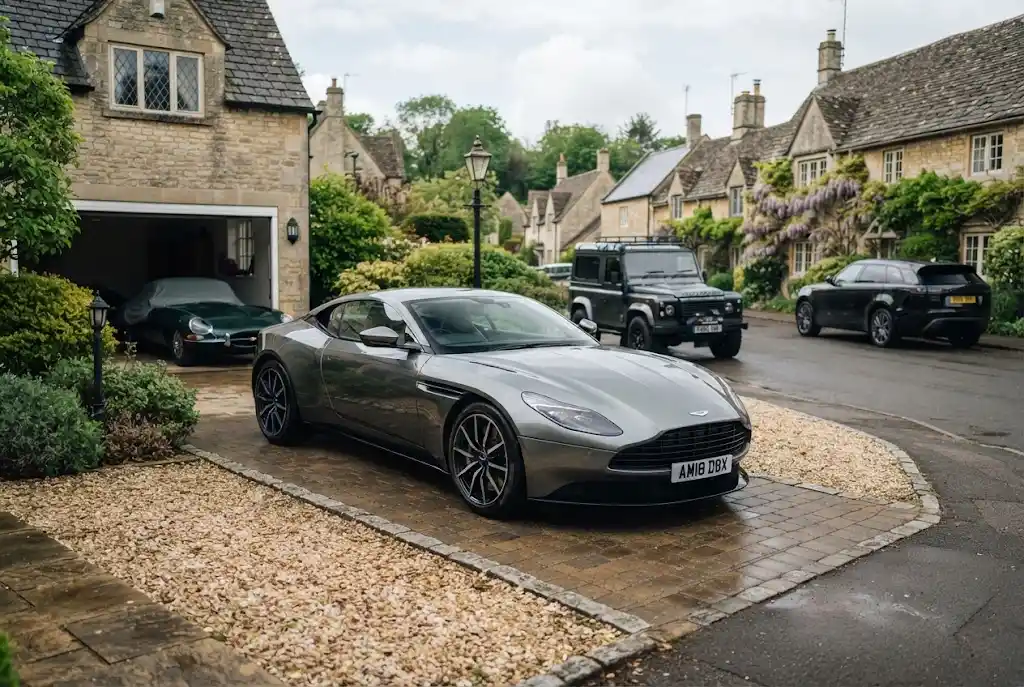
Knowing who needs specialist car insurance can make it much easier to find suitable cover for a vehicle or driving situation that does not fit neatly into a standard motor insurance policy. Specialist cover may be relevant if you own a high-value, modified, classic, imported or otherwise unusual vehicle, or if your circumstances make conventional insurance difficult to arrange.
Specialist insurance is not automatically required simply because a car is expensive or different. Instead, the key question is whether a standard insurer can provide appropriate cover for the vehicle, its use and your circumstances. Understanding specialist insurance eligibility can help you avoid unsuitable policies, unexpected exclusions and unnecessary costs.
Who Needs Specialist Car Insurance?
Specialist car insurance is generally worth considering when a vehicle, its value, its modifications or the way it is used falls outside the assumptions built into a conventional motor insurance policy.
There is no single list that determines eligibility across every insurer. Each provider has its own underwriting criteria. However, specialist cover may be appropriate for people with vehicles such as:
- Classic and historic cars
- High-value or luxury vehicles
- Heavily modified cars
- Kit cars and replicas
- Imported vehicles
- Performance and sports cars
- Limited-production or rare vehicles
- Left-hand-drive vehicles
- Campervans or specialist recreational vehicles
- Cars with unusual specifications or conversions
Drivers with certain circumstances may also need specialist underwriting. For example, a standard insurer may be less suitable where a driver has a complex insurance history, unusual vehicle usage or requirements that are not well supported by mainstream policies.
The important distinction is that specialist insurance is designed around the specific risk rather than treating every vehicle as an ordinary private car.
When Do You Need Specialist Car Insurance?
So, when do you need specialist car insurance? Usually, the answer depends on whether standard cover accurately reflects the vehicle and how you intend to use it.
For an ordinary, unmodified family hatchback used for commuting and social driving, a mainstream policy may be perfectly appropriate. However, the situation can change when the vehicle has characteristics that affect its value, repair costs, availability of parts or intended use.
For example, a classic car may have a value that is difficult to establish using an ordinary market-value approach. A modified vehicle may contain expensive upgrades that are not adequately reflected in a standard policy. Similarly, a rare imported model may require an insurer with a better understanding of specialist parts and repair arrangements.
In these situations, the issue is not simply finding insurance. It is finding insurance that properly describes the risk.
Specialist Insurance Eligibility: What Insurers Consider
Specialist insurance eligibility can depend on several factors. Insurers may assess the vehicle itself, the driver, its storage arrangements and how it will be used.
Vehicle Type and Specification
The type of vehicle is often one of the first considerations. A rare sports car, classic vehicle or substantially modified car may need different underwriting from a conventional modern vehicle.
Insurers may also want details about the make, model, age, engine, modifications and overall specification. For unusual vehicles, accurate information is particularly important because small differences can affect how the vehicle is assessed.
Vehicle Value
High-value vehicles can require a more tailored approach to valuation. If the car has a value significantly above the typical vehicles handled by a mainstream policy, specialist cover may offer more suitable options.
This is particularly relevant when the vehicle has a carefully maintained condition, rare specification or significant investment in upgrades. Owners should understand how the insurer determines the vehicle’s value and what happens if the vehicle is damaged beyond economical repair.
Modifications
Modifications are another common reason drivers investigate specialist insurance. Changes to suspension, wheels, engine performance, bodywork, exhaust systems or other components can alter the risk profile of a vehicle.
Every modification should be disclosed accurately. Assuming that a standard policy automatically covers aftermarket work can create problems when making a claim.
Vehicle Usage
How the car is used can also influence the type of policy required. A vehicle used occasionally for shows or leisure driving may present a different risk from one used every day for commuting.
Drivers should therefore explain their actual usage rather than selecting a policy based solely on the vehicle’s appearance or age.
Storage and Security
Specialist vehicles may be expensive or difficult to replace, so storage arrangements can become an important part of the underwriting process. An insurer may ask where the vehicle is kept overnight and what security measures are available.
Secure private storage, an alarm, immobiliser or other security arrangements may be relevant depending on the insurer’s requirements. Never assume that a particular security measure will automatically reduce a premium; it should simply be declared accurately when requested.
Specialist Vehicle Insurance Explained
Specialist vehicle insurance explained simply means insurance designed for risks that require more tailored underwriting than a conventional car policy can provide.
The Specialist insurance does not necessarily mean that the policy is better in every situation. It means that the insurer is prepared to assess a particular type of vehicle or risk using criteria suited to it.
Depending on the policy, specialist arrangements may address issues such as agreed valuations, modifications, limited mileage, specialist repairs or particular vehicle usage. The exact features vary between providers, so drivers should always read the policy wording rather than relying on the term “specialist” alone.
It is also important to distinguish specialist insurance from simply choosing comprehensive cover. Comprehensive insurance describes the level of protection, while specialist insurance describes the type of risk and underwriting approach. A specialist policy can therefore still have different levels of cover depending on the provider and product.
Who May Not Need Specialist Car Insurance?
Not every unusual-looking vehicle requires specialist cover. Some cars that initially appear to be candidates for specialist insurance may still be accepted by mainstream providers.
For instance, a relatively common vehicle with a minor modification may remain eligible for ordinary cover, provided the insurer accepts and records the change. Likewise, an expensive modern car may be covered through a conventional insurer if the provider is comfortable with its value and specification.
This is why drivers should not assume that they automatically need a specialist policy. Comparing the available options is often the better approach.
If the vehicle is genuinely unusual, however, specialist providers may be worth investigating because their underwriting criteria can be more closely aligned with the vehicle.
Unusual Vehicle Insurance: Common Examples
Unusual vehicle insurance can cover a broad range of situations. The term may apply to vehicles that are rare, heavily customised, imported, converted or otherwise outside the typical mainstream insurance market.
Examples include kit-built cars, replicas, reconstructed vehicles and certain imported models. Some owners may also seek specialist cover for vehicles with substantial modifications or specialist uses.
Imported and reconstructed vehicles can require additional attention because their registration, specification, valuation and repair requirements may differ from those of ordinary UK-market cars. GOV.UK guidance notes that certain vehicles, including imported, kit-built, structurally modified and reconstructed vehicles, can require additional documentation during registration. GOV.UK vehicle registration guidance is a useful official reference when checking the wider requirements.
Insurance should be considered alongside those requirements rather than treated as a separate issue.
Does a Modified Car Automatically Need Specialist Insurance?
No. A modification does not automatically mean that specialist insurance is legally required. However, the modification must be disclosed to the insurer where required, and the insurer must agree to cover the vehicle as modified.
The practical issue is whether the insurer can accurately assess the vehicle and provide appropriate protection. A driver who installs expensive performance parts, changes the suspension or significantly alters the bodywork may find that a specialist insurer offers more suitable terms.
Before buying cover, prepare a clear list of modifications, including relevant parts and major changes. Keeping receipts, photographs and supporting documentation can also make it easier to demonstrate what has been installed and, where relevant, what the vehicle is worth.
Does a High-Value Car Need Specialist Insurance?
A high-value car does not automatically need specialist insurance either. However, owners of expensive vehicles should pay particular attention to how the policy handles valuation, repairs, parts and claims.
If the vehicle has a high purchase price, rare specification or significant additional investment, a standard policy may not always be the most appropriate option. This is one reason some owners explore luxury car insurance and other specialist options.
The objective should be to find a policy whose terms accurately reflect the vehicle rather than choosing a product simply because it carries a premium or specialist label.
What Information Should You Have Ready?
When looking for specialist cover, providing complete and accurate information can make the process easier. Depending on the vehicle and insurer, you may need details such as:
- Make, model and registration
- Vehicle age and specification
- Estimated or agreed value where applicable
- Details of modifications
- Annual mileage
- Intended vehicle usage
- Where the vehicle is stored
- Security devices and arrangements
- Driving history and previous insurance information
- Details of any previous claims or convictions that must be disclosed
For particularly unusual vehicles, photographs, purchase documents, valuation evidence or modification records may also be useful.
How to Decide Whether Specialist Cover Is Right for You
Start by identifying what makes your vehicle or circumstances different from a typical private car. Is it unusually valuable? Has it been modified? Is it imported, classic, rare or converted? Do you have a specific usage requirement that mainstream policies may not accommodate?
Next, check whether ordinary insurers are willing to provide cover on terms that accurately reflect those characteristics. If they cannot, or if their exclusions and valuation terms do not suit your needs, specialist insurance becomes more relevant.
It can also be useful to compare specialist options before making a decision. Looking beyond the headline premium can reveal important differences in valuation, excesses, mileage restrictions, exclusions, repair arrangements and permitted usage.
For a broader understanding of the market, our guide to best specialist car insurance can help you consider what to look for when comparing specialist providers.
Why Choosing the Right Specialist Cover Matters
The main purpose of specialist insurance is to make sure the policy reflects the actual risk. A cheaper policy is not necessarily the better option if important modifications, vehicle characteristics or usage restrictions are not properly covered.
UK drivers must have at least third-party motor insurance when using a vehicle on roads or in public places. GOV.UK confirms that driving without the required insurance is illegal and can lead to penalties. Specialist car insurance cost is therefore only one part of the decision; suitability and the scope of cover matter just as much.
Ultimately, who needs specialist car insurance comes down to the relationship between the vehicle, the driver and the policy available. If a car is unusual, modified, high-value, imported or otherwise difficult to insure through a standard route, specialist cover may provide a more appropriate solution.
There is no universal eligibility rule, so compare policy terms carefully and give insurers complete information about the vehicle and its intended use. The right policy should reflect what you actually own and how you actually drive it, rather than forcing a specialist vehicle into a standard insurance category.
