

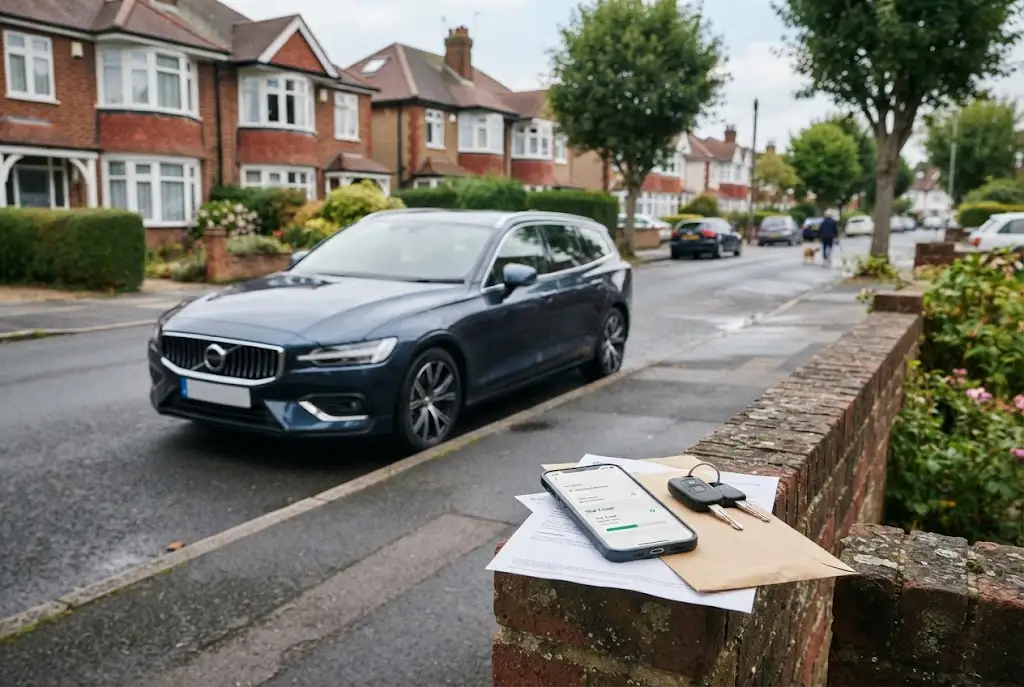
Aviva car insurance is an option for UK motorists looking for cover from one of the country’s established insurance providers. Aviva offers different motor insurance options and allows eligible customers to manage aspects of their policies online. However, choosing the right policy requires more than comparing the initial premium. Drivers should consider the level of protection, excess, exclusions, optional extras, claims process and how the overall price compares with other insurers.
Whether you are insuring a first car, replacing an existing policy or reviewing your renewal, understanding what you are buying can help you make a more informed decision. This guide explains the main considerations when researching Aviva car insurance and how it fits into a wider UK insurance comparison.
What Is Aviva Car Insurance?
Aviva provides motor insurance designed to protect drivers against risks associated with using and owning a vehicle. The precise protection available depends on the policy and the cover selected.
Like other major UK insurers, Aviva uses information about the driver, vehicle and intended use when calculating insurance premiums. Consequently, the price offered to one motorist can be very different from the price offered to another.
When obtaining a quotation, drivers should provide accurate information about their vehicle, address, occupation, annual mileage, driving history and how the car will be used. Incorrect information can cause difficulties if circumstances need to be assessed following a claim.
What Cover Can You Get With Aviva Car Insurance?
The appropriate level of motor insurance depends on your circumstances and the protection you want. Before purchasing Aviva car insurance, check exactly what the quotation includes rather than relying on the name of the cover alone.
Comprehensive Car Insurance
Comprehensive insurance generally offers a broad level of protection for the insured vehicle as well as third-party liabilities, subject to policy terms, exclusions and excesses.
For motorists who rely on their car for commuting, family responsibilities or regular travel, comprehensive protection can be attractive because it may provide greater financial protection following an insured incident. Nevertheless, the details of the individual policy remain important.
Third-Party Fire and Theft
Third-party fire and theft cover can protect against third-party liability while providing specified protection against risks such as fire and theft. The exact conditions and exclusions should be checked before buying.
Some motorists may consider this type of cover because of its balance between protection and price. However, it should always be compared against comprehensive quotations before deciding which option represents better value.
Third-Party Cover
Third-party insurance primarily covers your legal liability towards other people. It generally provides less protection for damage to your own vehicle, so drivers should consider whether they could afford repairs or replacement costs after an accident.
How Much Does Aviva Car Insurance Cost?
There is no universal price for Aviva car insurance. Motor premiums are calculated according to individual risk factors and the details provided during the quotation process.
Your age, address, vehicle, driving history, annual mileage and intended use can all influence the price. The level of cover and selected excess can also affect the overall premium.
Vehicle-related costs can also influence insurance prices across the wider UK market. The Financial Conduct Authority has reported that rising motor claims costs have been an important factor behind increases in motor insurance prices, including higher vehicle repair and theft-related costs.
For this reason, motorists should not assume that an established insurer will automatically provide either the cheapest or most expensive quotation. The best approach is to compare the complete policy and price with several suitable providers.
Factors That Can Influence Your Aviva Quote
When requesting an Aviva quotation, several details may contribute to the final price.
Age and Driving Experience
Drivers with different levels of experience can receive different premiums. Younger or newly qualified motorists may face higher costs because insurers can consider limited driving experience when assessing risk.
Vehicle Type
The make, model, age, value and specifications of your vehicle can influence the quotation. Higher-performance or expensive-to-repair vehicles can have different insurance costs from smaller, lower-value cars.
Annual Mileage
Your expected mileage is another relevant consideration. Give a realistic estimate based on your actual driving habits rather than deliberately understating the figure.
Location
Where you live can influence insurance pricing. Risk factors such as traffic levels, claims patterns, theft rates and local conditions can vary between different parts of the UK.
Driving History
Previous claims, driving convictions and your claims-free history can also be relevant when insurers assess your circumstances.
Aviva Car Insurance for Different Types of Drivers
Not every motorist has the same requirements. A policy that works well for a commuter may not be appropriate for a learner, business driver or professional motorist.
For example, someone using a vehicle mainly for commuting should make sure the declared use reflects that purpose. Similarly, drivers who use their vehicle for business activities should check whether their required business use is covered.
This distinction becomes especially important for professional drivers. Anyone researching Aviva driving instructor insurance should check the specific policy requirements for driving tuition rather than assuming a standard private car policy provides suitable protection.
Aviva Driving Instructor Insurance: What Should Professionals Check?
Driving instructors have different insurance requirements because their vehicles can be used to provide tuition to learners. The policy needs to reflect the way the vehicle is actually being used.
When researching Aviva driving instructor insurance, instructors should check eligibility, permitted use, learner-driver arrangements, vehicle requirements and any conditions applying to instruction. The correct product may depend on the instructor’s circumstances and the insurer’s current underwriting rules.
It is particularly important not to rely on assumptions about cover. If a vehicle is being used commercially for driving lessons, confirm that the policy explicitly accommodates that use before providing tuition.
What Should You Check Before Buying Aviva Car Insurance?
A competitive premium is useful, but the policy should also provide the protection you expect. Before purchasing, check the following areas:
- Level of cover: Confirm whether the policy provides comprehensive or another level of protection that suits your circumstances.
- Excess: Check compulsory and voluntary excesses and consider what you could afford after a claim.
- Exclusions: Read the circumstances where cover may not apply.
- Optional extras: Check whether useful features are included or need to be purchased separately.
- Courtesy car: Review eligibility and conditions if a replacement vehicle is important to you.
- Breakdown assistance: Determine whether breakdown protection is included or available as an additional product.
- Claims process: Understand how an accident or other insured incident should be reported.
- Policy use: Make sure commuting, business or other required use is correctly declared.
Is Aviva Car Insurance Worth Comparing?
Aviva is certainly worth including in a wider UK car insurance comparison. Established insurers can offer useful features and established claims processes, but premiums vary significantly depending on the driver’s circumstances.
Comparing several providers can help you identify whether an Aviva quotation is competitive. For example, motorists can compare it with Admiral car insurance when evaluating different providers and policy features.
Another useful comparison is a Churchill car insurance quote, particularly when you want to compare premiums for similar levels of cover.
You can also review Direct Line car insurance and Hastings car insurance as part of the same research process. Comparing these providers within one cluster makes it easier to evaluate price, cover and policy features without relying on brand familiarity alone.
How to Compare Aviva With Other Car Insurers
When comparing insurance providers, try to make the comparison as consistent as possible. Request quotations using the same vehicle information, mileage, drivers, cover level and excess wherever appropriate.
Then compare the resulting policies side by side. Look at the total price first, but do not stop there. A policy with a lower premium may have a higher excess or fewer useful features.
It is also worth checking whether optional extras duplicate protection you already have elsewhere. For example, some motorists may already have separate breakdown assistance, legal protection or other services.
How to Potentially Reduce Your Car Insurance Cost
There is no guaranteed way to obtain a lower premium, but several sensible steps can help you manage your insurance costs.
Compare the Market
Obtaining several quotations gives you a clearer idea of the price available for your circumstances. Different insurers assess risk differently, so one provider may be considerably more competitive than another.
Choose Your Excess Carefully
A higher voluntary excess can sometimes reduce a premium. However, do not select an excess that would create financial difficulty if you needed to make a claim.
Review Optional Extras
Only pay for additional protection that provides meaningful value. If you already have a similar service through another provider, paying for it again may be unnecessary.
Keep Your Details Accurate
Accurate information is essential. If your circumstances change during the policy term, check whether you need to notify your insurer.
What About Aviva Car Insurance Renewals?
Renewal is an opportunity to reassess your cover and compare the current price with alternatives. Your circumstances may have changed since the previous policy began, while market conditions may also have changed.
Do not assume that remaining with your existing insurer is automatically the easiest or cheapest choice. At renewal, check the cover, excess and price again and obtain alternative quotations if appropriate.
At the same time, do not switch purely because another quotation is cheaper. Make sure the alternative policy provides comparable protection before cancelling
