

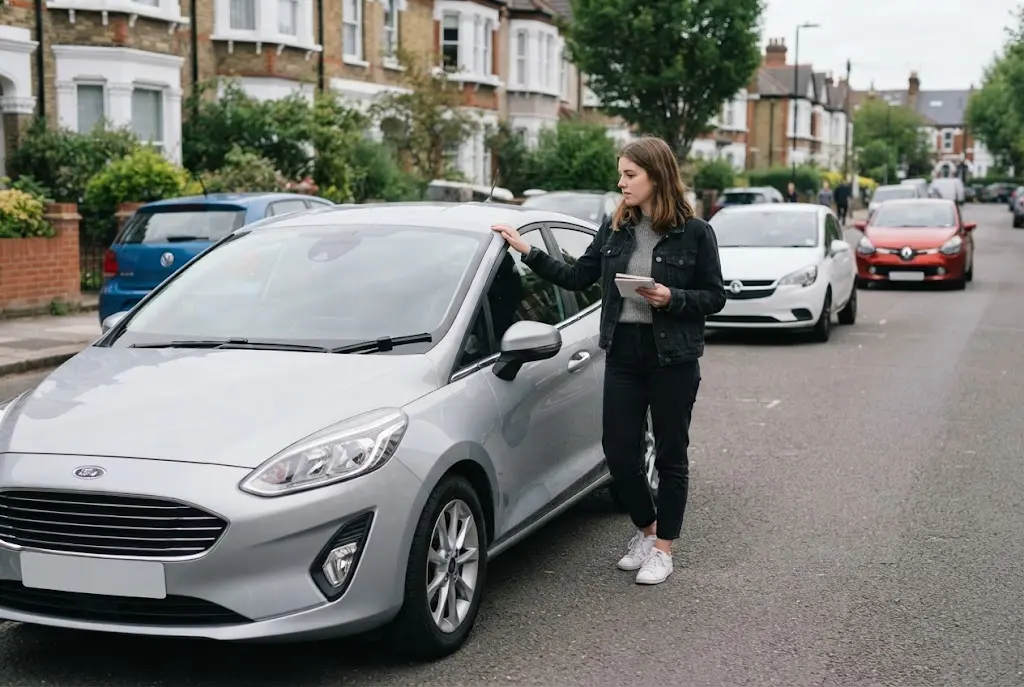
Choosing one of the best cars to insure for young drivers can make a meaningful difference to the overall cost of owning and running a vehicle. For new and inexperienced motorists, insurance can represent a substantial part of the annual motoring budget, so considering insurance before buying a car is often more useful than looking at the purchase price alone.
There is no single car that will produce the same insurance premium for every young driver. Insurers consider the individual driver as well as the vehicle, including factors such as age, driving experience, location, claims history, vehicle specification and intended use. However, some types of cars can be more practical for young motorists to investigate because they tend to have characteristics associated with lower insurance risk.
What Are the Best Cars to Insure for Young Drivers?
The best cars to insure for young drivers are generally vehicles that combine sensible engine sizes, practical specifications, widely available parts and relatively modest performance. Smaller hatchbacks are often considered by new drivers because they can be easier to operate and may have insurance-friendly specifications.
Potential options worth researching can include small city cars and hatchbacks such as the Ford Ka+, Hyundai i10, Kia Picanto, SEAT Mii, Skoda Citigo, Volkswagen up!, Toyota Aygo and similar vehicles. However, the exact insurance cost can vary between versions of the same model, so checking a quotation for the specific vehicle is essential.
A car’s registration year, engine, trim, security equipment, modifications and value can all affect the quotation. Therefore, a model that appears inexpensive to insure in one specification may produce a different price in another.
Why Does the Car You Choose Affect Young Driver Insurance?
Insurance providers assess the potential cost and likelihood of claims when calculating premiums. The vehicle is one part of that assessment.
Factors that can influence how an insurer views a car include:
- Engine size and power.
- Vehicle performance.
- Repair and replacement costs.
- Parts availability.
- Security features.
- Vehicle value.
- Historical claims associated with similar vehicles.
- Insurance group classification where applicable.
- Whether the vehicle has been modified.
This is why two cars with similar purchase prices can have very different insurance quotations.
For a young driver, buying a cheaper car does not necessarily guarantee cheaper insurance. It is better to consider the vehicle’s overall insurance profile before committing to a purchase.
Low Insurance Group Cars for Young Drivers
Low insurance group cars for young drivers are often worth investigating because insurance groups provide a useful way of comparing vehicles based on characteristics that can influence insurance risk.
However, an insurance group should be treated as a starting point rather than a guarantee of a particular premium. Your insurer will consider personal circumstances as well as the vehicle.
When comparing used cars, check the exact version rather than relying on the model name alone. A basic specification with a smaller engine may sit in a different insurance group from a higher-powered or better-equipped version of the same model.
Before purchasing, obtain an actual quotation using the registration number or precise vehicle details whenever possible. This gives you a much clearer indication of how the car may affect your own insurance costs.
Cars with Cheap Insurance for Young Drivers: What Should You Look For?
Drivers searching for cars with cheap insurance for young drivers should consider several characteristics rather than focusing on one specification.
Small Engine Size
A modest engine can be a sensible starting point for a new driver. Smaller engines can offer lower performance and may be available in insurance-friendly specifications. However, engine size alone does not determine the premium.
Moderate Performance
High-performance cars are generally not the first choice for drivers looking to minimise insurance costs. A practical hatchback with modest power may be more appropriate for a young motorist who wants to keep running costs manageable.
Standard Specification
Highly modified vehicles or cars with performance upgrades can introduce additional insurance considerations. A standard vehicle may make the quotation process more straightforward, although the insurer still needs accurate information about the car.
Good Security Features
Security equipment can be relevant to the insurer’s assessment of a vehicle. Features such as alarms, immobilisers and other manufacturer-fitted security systems can form part of the vehicle’s overall specification.
Cheap Cars to Insure for Young Drivers: Hatchbacks
Small hatchbacks are popular among young drivers because they can combine manageable dimensions with relatively practical interiors. They are also widely available in the used-car market.
Examples that may be worth researching include:
- Ford Ka+.
- Hyundai i10.
- Kia Picanto.
- SEAT Mii.
- Skoda Citigo.
- Volkswagen up!.
- Toyota Aygo.
- Citroen C1.
- Peugeot 108.
This is not a ranking of insurance costs. Each model has multiple versions, and the price available to an individual driver can differ significantly. Always obtain a quotation for the exact vehicle you are considering.
What Makes a Car Cheap to Insure for a Young Driver?
The phrase cheap to insure cars for young drivers can be misleading if interpreted as a fixed list of vehicles. Insurance is personalised, and the same car can produce different premiums for different motorists.
For example, a young driver living in one area may receive a different quotation from another driver of the same age with the same car but a different address. Driving history, licence experience and annual mileage can also affect the result.
That is why the most useful approach is to create a shortlist of sensible vehicles and obtain insurance quotations before buying. This can prevent a situation where a low-priced used car turns out to be expensive to insure.
Does Engine Size Matter for Young Driver Insurance?
Engine size can be relevant because it often correlates with vehicle performance, but it should not be considered in isolation.
A smaller engine does not automatically mean the cheapest insurance. Insurers use multiple factors when calculating premiums, and vehicle design, repair costs, claims data and the driver’s circumstances can all influence the result.
For young motorists, the practical lesson is simple: do not buy a car solely because it has a small engine. Check the insurance quotation for the exact vehicle and specification first.
Are Older Cars Cheaper to Insure for Young Drivers?
An older car may have a lower purchase price, but that does not guarantee a lower insurance premium. Insurance pricing considers many factors beyond the age or market value of the vehicle.
Older cars can also have different repair considerations, safety equipment and security features compared with newer models. Parts availability and the vehicle’s claims history may also influence the insurer’s assessment.
If you are comparing used cars, look at the total cost of ownership rather than assuming that an older vehicle will automatically provide cheaper cover.
Should Young Drivers Choose a Small Car?
A small car can be a practical choice for a newly qualified driver. Compact dimensions can make parking and manoeuvring easier, while many small hatchbacks have modest engines and relatively straightforward specifications.
However, safety should remain an important consideration. The cheapest vehicle to purchase is not necessarily the most appropriate vehicle for everyday use. Check available safety equipment, condition, maintenance history and independent safety information alongside insurance costs.
Young drivers should therefore balance insurance, safety, reliability, fuel consumption, maintenance and purchase price rather than choosing a car based on insurance alone.
Best Car on Insurance for Young Drivers: Does One Exist?
There is no universal best car on insurance for young drivers because premiums are calculated according to individual circumstances and insurer-specific criteria.
Instead, think of the “best” car as one that fits your budget and produces an acceptable quotation while also meeting your practical requirements.
For one driver, a small petrol hatchback may make sense. Another driver might have a different quotation for the same vehicle because of their location, driving history or intended annual mileage.
This is why insurance should be checked before the vehicle purchase is completed.
How to Find Cheap Insurance Cars for Young Drivers
If your priority is finding cheap insurance cars for young drivers, start by creating a shortlist of vehicles that have modest performance and practical specifications.
Then follow these steps:
- Identify several suitable small cars rather than choosing one immediately.
- Check the exact engine, trim and model year.
- Find the vehicle’s insurance group where available.
- Obtain insurance quotations using accurate personal information.
- Compare the annual premium and policy excess.
- Check whether telematics insurance is available and suitable.
- Consider fuel, servicing, tyres and other running costs.
- Inspect the vehicle’s history and condition before purchasing.
This approach gives you a clearer picture of the total cost of owning each car.
Can Telematics Help Young Drivers?
Telematics or black-box insurance can be an option for some young motorists. These policies can use technology to collect information about driving behaviour, depending on the insurer and product.
Factors monitored can include elements such as speed, braking, acceleration, mileage or driving times, although the exact data collected varies between providers.
Telematics is not suitable for everyone, and the terms of the policy should be checked carefully. Some policies may impose restrictions or conditions relating to how and when the vehicle is driven.
If you are comparing student car insurance, telematics may also be worth considering if you are a student who wants to explore different ways of managing young-driver premiums.
Does the Car’s Trim Level Affect Insurance?
Yes, the precise specification can matter. A basic version of a model can differ from a sportier or more powerful version in ways that affect insurance risk.
Trim level can influence equipment, engine options, performance, vehicle value and repair considerations. Therefore, searching for a model name alone is not enough when estimating insurance costs.
Always provide the insurer with the correct registration or vehicle specification when obtaining a quotation.
What Young Drivers Should Avoid When Choosing a Car
Young drivers looking to manage insurance costs should be cautious about choosing a vehicle based purely on appearance or performance.
Before buying, consider the implications of:
- Large or high-performance engines.
- Sport-oriented versions of otherwise ordinary models.
- Extensive aftermarket modifications.
- Unusually expensive replacement parts.
- Very high vehicle values.
- Vehicles that are difficult or expensive to repair.
None of these factors automatically makes a vehicle impossible or unsuitable to insure. They simply illustrate why a young driver should check the insurance implications before making a purchase.
Safety and Reliability Matter Too
Insurance cost is only one part of choosing a first car. Reliability and safety should also be considered because unexpected repairs can quickly increase the cost of motoring.
Look for a vehicle with a documented maintenance history and check its MOT history where appropriate. Examine tyres, brakes, lights and other essential components before purchasing a used car.
A slightly more expensive vehicle that is well maintained may make more financial sense than a cheaper car requiring immediate repairs.
Final Thoughts on the Best Cars to Insure for Young Drivers
The best cars to insure for young drivers are not defined by one universal model. Instead, young motorists should look for practical vehicles with sensible specifications and then obtain insurance quotations for the exact car they intend to buy.
Small hatchbacks, modest engines and standard specifications can be sensible starting points, but the individual driver remains an important part of the insurance calculation. Age, driving experience, address, mileage and claims history can all affect the final premium.
If you are still comparing your wider insurance options, you can also explore temporary car insurance for young drivers if your need for a vehicle is short term. Students can also review student car insurance when their circumstances involve university or college study.
Ultimately, obtain insurance quotations before buying the vehicle, compare the full policy terms and consider insurance alongside safety, reliability, fuel costs and maintenance. This gives you a more realistic picture of what the car will actually cost to own.
