

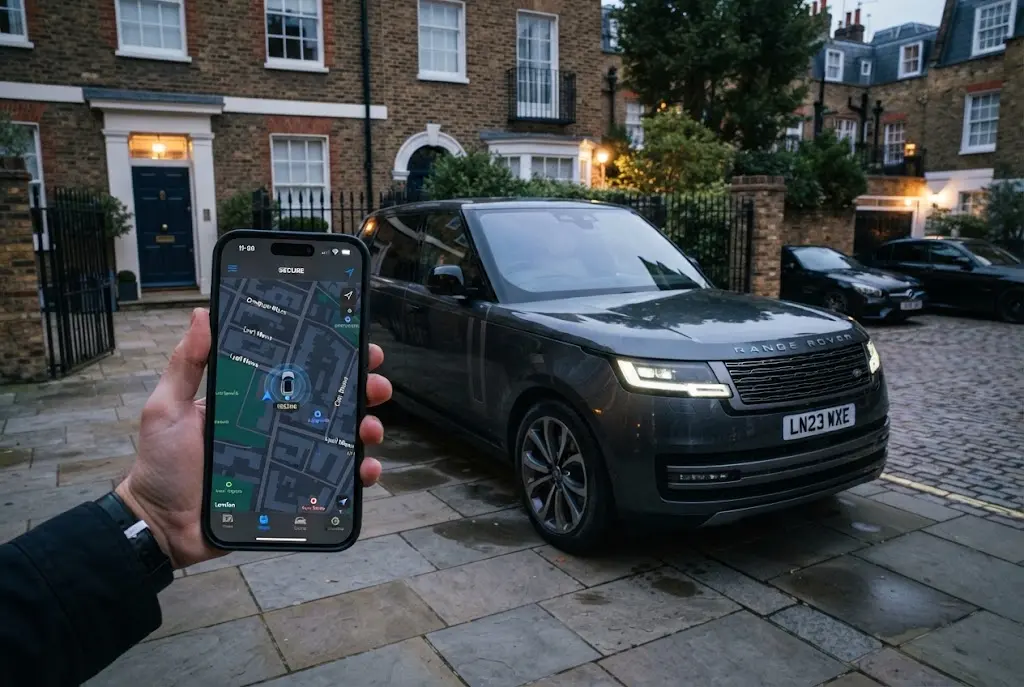
How a Vehicle Tracker Can Add Extra Security to a Range Rover
Owning a premium vehicle such as a Range Rover comes with comfort, performance and advanced technology, but it can also make vehicle security a greater consideration. Modern car thieves use increasingly sophisticated methods, which means drivers may want to take additional steps beyond standard locks and factory-fitted security systems.
One option worth considering is a vehicle tracking system. A tracker can provide an additional layer of security by helping owners monitor the location of their vehicle and potentially improve their chances of recovering it if it is stolen.
Why Range Rover Owners May Consider Vehicle Tracking
Range Rover models combine luxury, technology and strong road performance, making them attractive vehicles for both owners and, unfortunately, criminals. While manufacturers continue to develop security features, no vehicle is completely immune to theft.
A dedicated Range Rover tracker can provide an additional security measure alongside the vehicle’s existing alarm, immobiliser and locking systems.
Rather than relying on one security feature, vehicle owners can take a layered approach. This may include secure parking, physical security devices, manufacturer security features and a tracking solution.
How Does a Car Tracker Work?
Most modern vehicle trackers use GPS technology to determine the vehicle’s location. Depending on the type of system installed, location information can then be transmitted through a mobile network to a tracking platform or application.
This allows an owner or authorised user to check relevant vehicle information remotely. Some tracking systems can also provide alerts when specific activity is detected, although available features vary between products.
The main purpose is simple: provide greater visibility over where the vehicle is and make it easier to respond when something appears unusual.
Vehicle Security Does Not Stop at the Factory Alarm
Factory security systems are an important part of protecting a vehicle, but they are only one component of an overall security strategy. A vehicle can benefit from several independent security measures working together.
For example, an owner might park in a secure garage overnight, use additional physical security when appropriate and install a tracker. If one layer is bypassed, the other measures can still provide additional protection.
This layered approach can be particularly useful for owners of higher-value vehicles who want greater control over vehicle security.
What Information Can a Tracker Provide?
The exact features depend on the tracking system, but many modern solutions are designed to provide more than a simple location point.
Depending on the device and service, users may have access to features such as:
- Real-time or regularly updated vehicle location.
- Location history.
- Movement notifications.
- Geographical alerts.
- Mobile app access.
- Security-related notifications.
- Information that can assist with vehicle recovery.
Not every tracker provides all of these features, so buyers should check the specifications and service terms before choosing a system.
Could Tracking Technology Be Useful for Other Premium Cars?
The same security principle can apply to many premium and desirable vehicles. Drivers of luxury SUVs, performance cars and high-value family vehicles may all want additional visibility over their vehicles.
For example, a Lexus tracker can provide a similar additional security layer for owners who want to monitor their vehicle beyond the standard security equipment supplied with the car.
The important consideration is not simply the badge on the bonnet. Vehicle value, usage, parking arrangements and personal security concerns can all influence whether tracking technology makes sense.
Choosing the Right Tracker for Your Vehicle
There are many tracking products available, and they are not all designed in exactly the same way. Before purchasing one, it is useful to consider what you actually want the system to achieve.
One of the first things to check is how the tracker communicates its location. GPS is generally used to determine position, while cellular connectivity may be needed to transmit information to an app or monitoring platform.
Battery life, installation requirements and subscription arrangements can also differ. Some devices are designed to connect directly to the vehicle, while others may have alternative installation or power options.
Consider Installation and Ongoing Costs
The initial price of a tracker is not necessarily the only cost involved. Some systems may require professional installation, while others have different ongoing service or connectivity charges.
Before making a decision, vehicle owners should consider the complete cost of ownership rather than comparing devices purely on their purchase price.
It is also important to understand how the tracker should be installed and whether installation could affect the vehicle’s electrical system or warranty conditions. When professional installation is recommended, using an appropriately qualified installer can provide additional peace of mind.
Can a Tracker Help After a Vehicle Is Stolen?
The primary benefit of tracking technology after theft is improved visibility of the vehicle’s location. If a vehicle begins moving unexpectedly, a tracking system may be able to provide useful location information.
However, a tracker should not be considered a guarantee that a stolen vehicle will be recovered. Owners should still report theft to the police and follow the appropriate procedures. A tracking system is best viewed as an additional security tool rather than a replacement for other protective measures.
Does a Tracker Replace Car Insurance?
No. A vehicle tracker and motor insurance serve completely different purposes.
Insurance provides financial protection according to the terms and conditions of a policy, while a tracker is primarily a security and monitoring tool. Having one does not remove the need for appropriate insurance cover.
Some insurers may also have specific requirements or preferences concerning approved security devices, so drivers should check their individual policy before assuming that a particular tracker will affect their insurance arrangements.
Other Ways to Improve Vehicle Security
Tracking technology works best as part of a wider security routine. Simple habits can also make a difference when protecting a valuable vehicle.
- Park in a secure and well-lit location whenever possible.
- Keep vehicle keys away from doors and windows.
- Consider additional physical security where appropriate.
- Keep software and vehicle security systems updated when updates are available.
- Avoid leaving valuable items visible inside the vehicle.
- Review your insurance policy regularly.
- Use a reputable tracking solution if additional monitoring is required.
These measures do not eliminate the risk of theft, but combining several layers of protection can make vehicle security more comprehensive.
Why Location Monitoring Can Provide Peace of Mind
One of the biggest advantages of a vehicle tracker is the additional visibility it can provide. Instead of having no information about a vehicle once it leaves a driveway or car park, an owner may be able to access relevant location information remotely.
This can also be useful outside theft situations. For example, some vehicle owners may want to know where a family vehicle is being used or review previous journeys. The usefulness of these features depends on the tracker and the owner’s individual requirements.
Final Thoughts
Premium vehicles deserve a thoughtful approach to security. Although modern cars already include sophisticated security technology, additional tracking can provide another layer of protection and visibility.
For Range Rover owners, choosing a suitable tracking solution can help provide greater awareness of vehicle location and may support recovery efforts in the event of theft. The same principle applies to other premium vehicles, including Lexus models.
The best approach is to combine tracking technology with sensible parking habits, physical security where appropriate and suitable insurance coverage. By using several layers of protection rather than relying on a single security feature, vehicle owners can take a more proactive approach to protecting their cars.
