

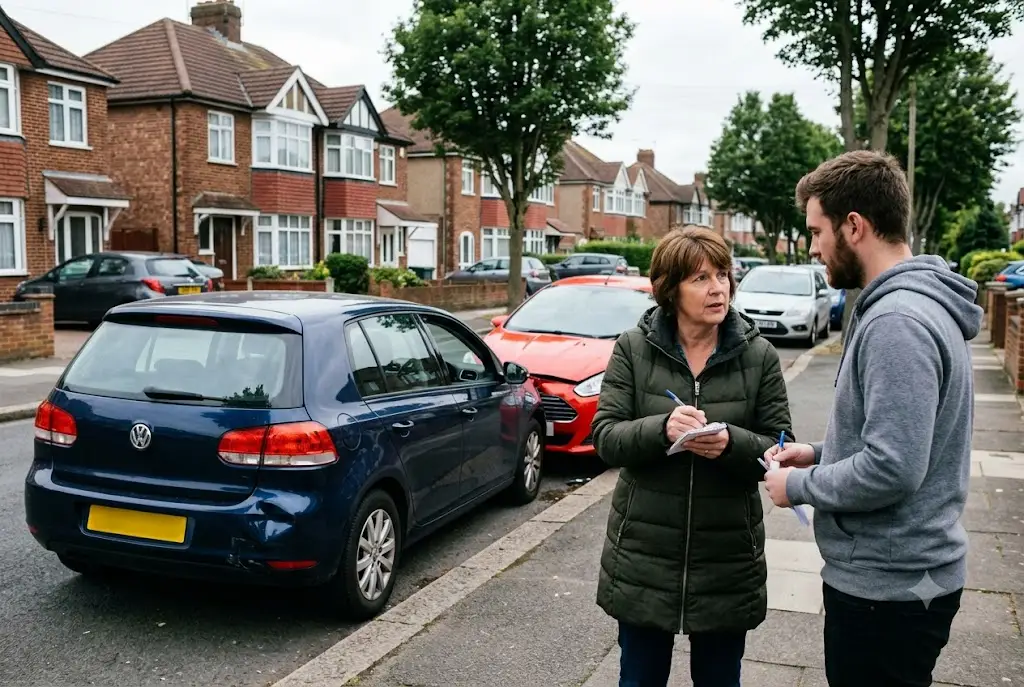
Third party car insurance is the minimum level of cover required by law to drive on UK roads. It protects other people, vehicles, and property if you are responsible for an accident.
If you’re new to car insurance, it’s useful to first understand what car insurance is and how different levels of cover work.
What Is Third Party Car Insurance?
Third party car insurance covers damage or injury you cause to other people (third parties). However, it does not cover damage to your own vehicle.
This type of policy ensures that victims of accidents receive compensation, even if the driver at fault cannot afford to pay.
Is Third Party Insurance a Legal Requirement?
Yes, third party insurance is the legal minimum required under UK law. You must have at least this level of cover to drive or even park your car on public roads.
Driving without insurance can result in fines, penalty points, or disqualification.
What Does Third Party Insurance Cover?
Third party insurance typically includes:
- Injury to other drivers, passengers, or pedestrians
- Damage to other vehicles
- Damage to property (e.g. buildings, fences)
- Legal costs related to claims
It does not cover:
- Damage to your own car
- Theft or fire damage
- Personal injuries to you (in most cases)
How Does Third Party Insurance Work?
If you are involved in an accident and found to be at fault, your insurer will pay for the damage or injury caused to others.
However, you will need to cover the cost of repairing or replacing your own vehicle.
Like most policies, an excess may apply. Learn more in what excess insurance is.
Third Party vs Third Party, Fire and Theft
There are different levels of car insurance cover in the UK:
- Third party only: Covers others but not your car
- Third party, fire and theft: Adds protection if your car is stolen or damaged by fire
- Comprehensive insurance: Covers both third parties and your own vehicle
To understand the highest level of protection, see fully comprehensive insurance.
Is Third Party Insurance the Cheapest Option?
While third party insurance offers less coverage, it is not always the cheapest option. In some cases, comprehensive insurance can be more affordable due to lower risk profiles.
This is especially true for younger drivers or those with a higher likelihood of making claims.
Who Should Choose Third Party Insurance?
This type of cover may be suitable if:
- You drive an older or low-value car
- You want basic legal protection
- You are looking for minimal coverage
However, it may not be ideal if you rely heavily on your vehicle or want peace of mind.
Advantages of Third Party Insurance
- Meets legal requirements
- Provides basic financial protection
- Simple and straightforward cover
Disadvantages of Third Party Insurance
- No cover for your own vehicle
- Limited protection compared to other policies
- Potentially higher long-term costs if you need repairs
Where to Learn More
For official UK guidance, visit the UK Government vehicle insurance page.
Final Thoughts
Third party car insurance is the legal minimum required to drive in the UK, offering essential protection for others on the road. However, it provides limited cover for your own vehicle.
Before choosing a policy, consider your needs, your car’s value, and your budget to ensure you have the right level of protection.
