

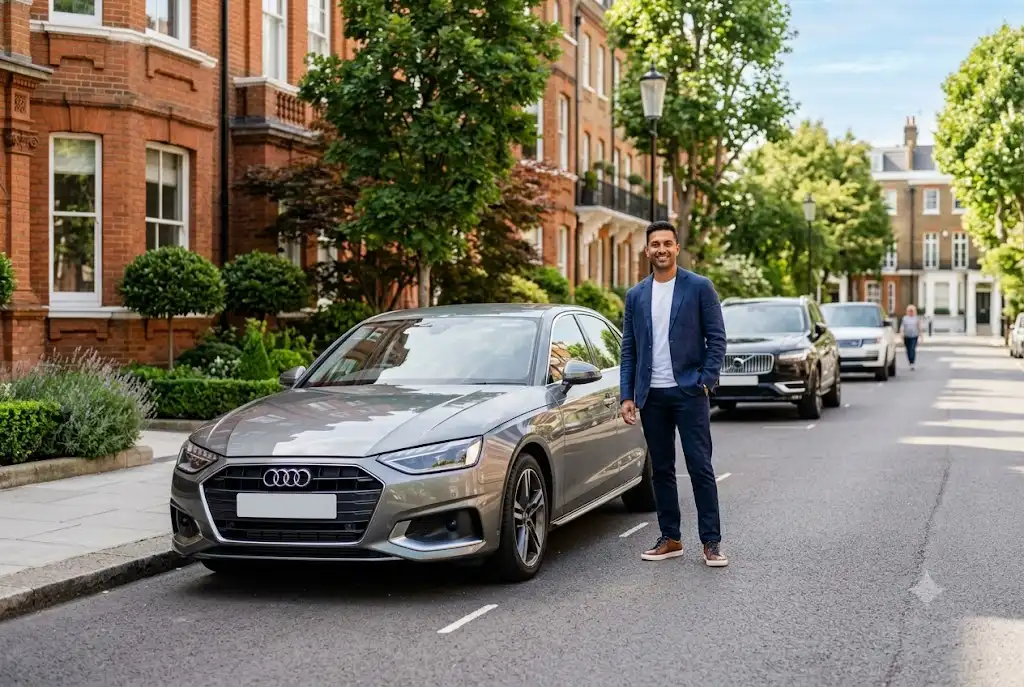
Fully comprehensive car insurance is the highest level of cover available in the UK. It protects not only other people and property, but also your own vehicle — even if an accident is your fault.
If you’re comparing policies, it’s useful to understand what third party car insurance is and how different levels of cover compare.
What Is Fully Comprehensive Car Insurance?
Fully comprehensive insurance includes all the protection offered by third party and third party, fire and theft policies, plus additional cover for your own vehicle.
This means you are protected in a wider range of situations, making it the most complete option available.
What Does Fully Comprehensive Insurance Cover?
Most comprehensive policies include:
- Damage to your own car (even if you are at fault)
- Damage to other vehicles or property
- Injury to other people
- Theft or attempted theft
- Fire damage
Some policies may also include extras such as windscreen cover or courtesy cars.
What Is Not Covered?
Although it offers extensive protection, comprehensive insurance does not cover everything. Common exclusions include:
- Wear and tear
- Mechanical breakdowns
- Driving under the influence
Always check your policy details for specific exclusions.
How Does It Work?
If you’re involved in an accident, your insurer will cover the cost of repairs to your car as well as any damage caused to others.
You’ll usually need to pay an excess when making a claim. Learn more in what excess insurance is.
Is Fully Comprehensive Insurance the Most Expensive?
Not necessarily. While it offers the most coverage, it can sometimes be cheaper than lower-level policies.
This is because insurers often associate comprehensive cover with lower-risk drivers.
Who Should Choose Fully Comprehensive Insurance?
This type of policy is ideal if:
- You have a newer or high-value car
- You want maximum protection
- You rely heavily on your vehicle
It provides peace of mind in a wide range of situations.
Advantages of Fully Comprehensive Insurance
- Highest level of protection
- Covers your own vehicle
- Often includes additional benefits
Disadvantages
- May have higher premiums in some cases
- Still includes exclusions and excess costs
Comprehensive vs Other Types of Insurance
Compared to other policies:
- Third party insurance only covers others
- Third party, fire and theft adds limited protection
- Comprehensive insurance covers both you and others
This makes it the most complete option available.
Where to Learn More
For official UK guidance, visit the MoneySavingExpert car insurance guide.
Final Thoughts
Fully comprehensive car insurance offers the broadest level of protection for UK drivers. While it may not always be the cheapest option, it provides valuable peace of mind by covering both your vehicle and third parties.
When choosing a policy, compare quotes carefully and consider your needs to find the best balance between cost and coverage.
