

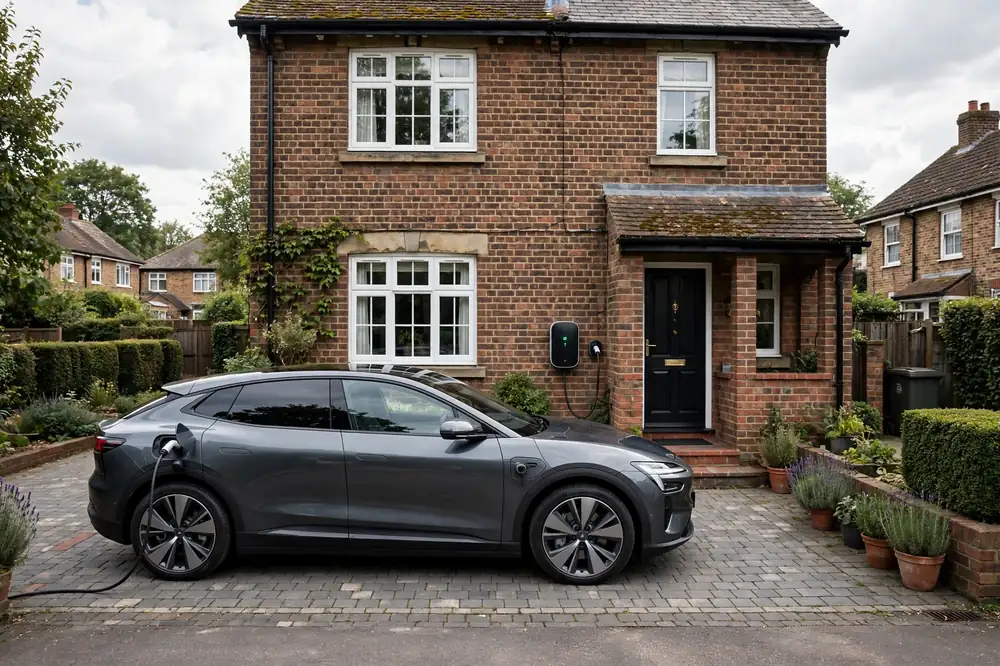
Switching to an electric car changes more than how you fuel it. It also changes the questions you need to ask about cover, and electric car insurance is where those questions start. At its simplest, insurance for electric cars works in much the same way as cover for a petrol or diesel car: you must be insured to drive on UK roads, you choose a level of cover, and you pay a premium based on risk. The differences sit in the detail, in the battery, the charging equipment, the cost of specialist repairs and the value of the car itself.
This guide explains how insuring electric cars differs from insuring a conventional car, what a standard policy should cover, why premiums can differ, and how to get a fair quote without cutting cover you actually need.
How electric car insurance differs from petrol and diesel cover
Legally, an electric car is treated like any other car. You need at least third party cover to drive it, and a car kept on the road must stay insured unless it is formally taken off the road. The usual three levels of cover are still available: third party only, third party, fire and theft, and fully comprehensive. If you are weighing up those levels, our guide to what fully comprehensive car insurance covers explains the broadest option in more detail.
Where things change is in how an insurer assesses the car itself. There is no engine, fuel system or exhaust to repair, but there is a large battery, power electronics, charging hardware and driver assistance technology. Repairs may need a technician trained to work safely on high-voltage systems, and some parts may need to come from the manufacturer rather than a general supplier. An insurer pricing cover for an electric car therefore has to think about different risks from one pricing a familiar petrol hatchback, even when the driver, address and mileage are the same.
What does a standard policy cover?
A standard comprehensive policy for an electric car should cover the same core events as it would for any other car, subject to its terms. That usually includes damage to other people, vehicles and property, and, on a comprehensive policy, accidental damage to your own car, plus fire and theft cover. When you compare car insurance for electric cars, check the following areas carefully, because this is where policies start to differ.
- The battery. If you own the battery, it is normally treated as part of the car, so accidental damage to it may be covered in the same way as damage to other major components. Wear, gradual loss of capacity and a battery that simply gets older are different matters, and are not usually what insurance is for.
- Charging cables. Some policies cover cables against accidental damage, fire or theft, sometimes only while they are in the car or being used to charge it. Others treat cables as accessories with a limit. Check the wording rather than assuming.
- Your home charger. A wallbox fitted at home may be covered under the car policy, under your home insurance, under both, or under neither in the way you expect. Ask before you need to claim, especially if the charger was expensive to install.
- Charging away from home. Cover for the car while it is parked and charging in public should follow the normal policy terms, but check any conditions about unattended cables, approved charging and leaving the car secured.
Why premiums can differ for an electric car
Drivers often ask whether electric car insurance is dearer than cover for a petrol equivalent. There is no single answer, because insurers price the individual car and driver, not the fuel type in isolation. Several features of electric cars can push a quote in either direction, and understanding them helps explain why two similar-looking cars can attract very different premiums.
Repair costs are a major factor. Bumpers, lights and panels may contain sensors that need calibration after a repair, and body repairs close to the battery need care. Specialist parts can take longer to obtain, which can lengthen a repair. Car value matters as well: if a car would cost more to replace, or if damage could lead to it being written off because of the value bound up in its battery, an insurer allows for that. Performance plays a part too, because many electric cars accelerate briskly, and insurers group faster, heavier or more powerful models accordingly. Our explainer on why car insurance is so expensive in the UK covers the wider cost pressures behind premiums.
Set against that, an electric car has fewer moving parts to fail, and some models come with strong safety equipment as standard. The cost of insurance on electric cars also depends on your age and experience, where the car is kept, your claims history, mileage and excess. Never assume an electric car will be cheaper or dearer until you have compared like-for-like quotes for the exact model.
Insurance groups for electric cars
Every car sits in an insurance group, and electric cars are spread widely across that scale. A small, modestly powered electric hatchback bought for town driving will usually sit far lower than a large, powerful electric SUV with a high replacement value. An electric car insurance group is not fixed by the badge alone, either: trim, performance and fitted equipment can move a particular version up the scale.
Check the group before you buy, not after. If you are choosing between two models, the one in the lower group may be noticeably easier to insure, especially for a younger driver or someone with a recent claim. Our guide to what the cheapest insurance group in the UK is explains how group ratings work and why lower groups tend to cost less.
Battery leasing, warranties and ownership
Batteries are not all owned in the same way. Most modern electric cars come with the battery included, but some older models were sold with the battery leased separately, so you owned the car and paid separately for the battery. That distinction matters. Tell the insurer exactly what you own and what you lease, because a claim, a total loss payment or a repair decision may need to reflect both interests. If you describe the car and battery arrangements incorrectly when you arrange cover, a payout may not match what you still owe or what you need to replace.
A manufacturer battery warranty is reassurance, but it is not insurance. A warranty deals with defects and, in some cases, capacity falling below a stated level within a period. Insurance deals with insured events such as accidental damage, fire and theft. Keep the warranty documents and service records with your policy paperwork, and check any finance or lease agreement too, as it may require comprehensive cover.
Charging at home and in public
Charging is part of everyday electric car insurance in a way that refuelling never was. At home, most drivers use a dedicated wallbox. Tell your car insurer and your home insurer about the installation if either policy asks, and keep the installer’s paperwork. Think about the cable as well: a trailing cable across a pavement or driveway can be a trip hazard, so route it carefully, and check whether your policy covers your legal liability if someone is hurt.
In public, treat charging stops like any other time the car is left unattended. Lock the car, follow the policy conditions on keys and security, and do not leave cables on show. If a cable is stolen or damaged while you are charging away from home, whether you can claim will depend on the cable wording mentioned earlier, so keeping receipts for expensive cables is sensible.
What to check in the small print
Small print varies more between electric car insurance policies than many drivers expect, and it is where a cheap quote can quietly become a poor one. Before you buy cover on price alone, work through these checks.
- Is the battery covered for accidental damage, and are there conditions if it is leased?
- Are charging cables and a home charger included, limited, or excluded?
- Will repairs be carried out by a repairer equipped and trained for electric cars?
- If the car runs out of charge, does any breakdown cover included respond, and to where will the car be taken?
- Is a courtesy car provided, and will it be electric or a similar size?
- How are windscreen claims and sensor calibration after glass or body repairs handled?
- What compulsory and voluntary excess applies, and could you afford it after a claim?
- Are there mileage limits, business use restrictions or conditions about other drivers?
- Have you declared modifications, including non-standard wheels, wraps or performance upgrades?
Keep documents of the cover you bought and the statements you made, so you can check them if you ever need to claim.
How to pay less for electric car insurance
There are sensible ways to bring the price down without stripping out cover you need. Start with accuracy. Give an honest estimate of annual mileage: overestimating can mean paying for miles you do not drive, but underestimating to get a lower price can cause real problems, so use past records, your commute and regular journeys to reach a realistic figure. Tell the truth about where the car is parked overnight, who drives it and what it is used for.
Security helps where an insurer recognises it. Parking on a driveway or in a garage, and using the car’s built-in alarm, immobiliser and tracking features properly, can present the car as a better risk. A higher voluntary excess can reduce a premium, but only choose an amount you could genuinely pay. Telematics, often called black box cover, may suit drivers who cover modest mileages and drive smoothly, but check how driving data is used, whether there are curfews or mileage conditions, and whether the policy still suits you at renewal.
When you compare quotes for electric cars, compare like for like: the same excess, drivers, mileage and extras. Look beyond the headline price at battery, cable and charger cover, repairer choice and courtesy car terms. Shopping around before renewal, rather than accepting an automatic renewal without checking, remains one of the simplest ways to test whether car insurance on electric cars is fairly priced for you this year.
Insuring a used electric car
A used electric car can be a very sensible buy, but it deserves a few extra checks before you arrange cover. Ask for the service history, evidence of battery health where available, and details of any remaining warranties. Check whether a home charger and cables are included in the sale, and note their condition.
Value the car realistically. Electric car insurance pays out according to the policy terms if the car is stolen or written off, so the value you state should reflect the actual car, its age, mileage and condition. Arrange cover from the moment the car becomes yours, and before you drive it away. Finally, check the insurance group and get quotes on the exact registration before you commit, because a bargain purchase price is less of a bargain if that particular high-performance version is expensive for you to insure.
Final checks before you buy
The right policy is the one that matches your car, your battery arrangement and the way you charge and drive. Compare the cover, not just the premium. Confirm the battery, cables and home charger position in writing, check the group, be honest about mileage and parking, and read the small print on repairs and courtesy cars. Do that, and electric car insurance becomes a straightforward part of owning an electric car, giving you cover that fits the car you actually drive, at home and on the road across the UK.
