

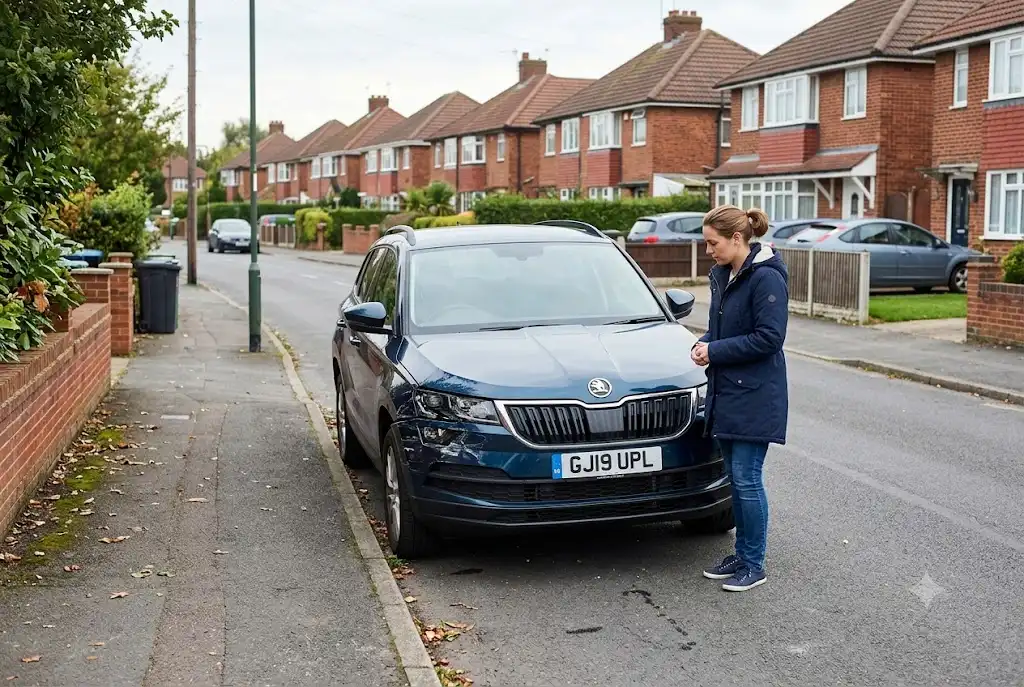
When choosing car insurance in the UK, one of the most common terms you’ll encounter is “fully comprehensive insurance.” But what does it actually mean, and how does it differ from other types of cover?
Fully comprehensive insurance is the highest level of car insurance available. It offers protection not only for damage to other people and their property but also for your own vehicle — even if an accident is your fault.
If you’re new to insurance or want a broader understanding of coverage types, it’s helpful to first understand what insurance is and how different policies are structured.
What Does Fully Comprehensive Insurance Cover?
Fully comprehensive insurance typically includes a wide range of protection, making it the most complete option for drivers. While policies vary between providers, most include:
- Damage to your own vehicle, even if you are at fault
- Damage to other people’s vehicles or property
- Personal injury to yourself or others
- Theft or attempted theft of your vehicle
- Fire damage
Many policies also include additional benefits such as windscreen cover, personal belongings protection, and courtesy car provision while your vehicle is being repaired.
What Is Third Party Insurance Cover?
Third party insurance is the most basic level of car insurance required by law in the UK. It only covers damage or injury you cause to other people, their vehicles, or their property.
However, it does not cover any damage to your own car. This means if you’re involved in an accident and it’s your fault, you’ll have to pay for your own repairs out of pocket.
What Is Third Party Fire and Theft Insurance?
Third party fire and theft insurance sits between basic third party and fully comprehensive cover. It includes everything third party insurance offers, plus protection if your car is stolen or damaged by fire.
While this provides more coverage than standard third party insurance, it still does not cover accidental damage to your own vehicle in a crash.
What Is Covered by Third Party Insurance?
Third party insurance covers:
- Injury to other people
- Damage to other vehicles
- Damage to property such as buildings or fences
It does not include any protection for your own car or personal losses. That’s why many drivers prefer comprehensive policies despite the higher premium.
Why Choose Fully Comprehensive Insurance?
Fully comprehensive insurance offers peace of mind. Whether it’s a minor accident or a major incident, you know that both your vehicle and third-party damages are covered.
In many cases, comprehensive policies can be more cost-effective than expected. Insurers often view drivers who choose comprehensive cover as lower risk, which can sometimes result in competitive premiums.
Additionally, understanding what excess insurance is can help you manage your out-of-pocket costs when making a claim under a comprehensive policy.
Additional Cover Options to Consider
Many insurers allow you to enhance your fully comprehensive policy with optional extras, such as:
- Legal cover: Helps with legal costs after an accident (learn more about motor legal protection)
- Breakdown cover: Assistance if your car breaks down
- No claims discount protection: Maintains your discount even after a claim
These add-ons can increase your premium but provide extra convenience and financial security.
Is Fully Comprehensive Insurance Always the Best Choice?
While fully comprehensive insurance offers the most protection, it may not be necessary for every driver. Your choice should depend on factors such as:
- The value of your vehicle
- Your driving experience
- Your budget
- Your risk tolerance
For example, new drivers might also explore learner driver insurance as a more tailored option when starting out.
Understanding Policy Details
Even with comprehensive insurance, it’s essential to read your policy carefully. Not all situations are covered, and exclusions may apply. Always check:
- Your excess amount
- Policy limits
- Specific exclusions
- Optional extras included
For official guidance on car insurance and consumer rights, you can refer to the MoneySavingExpert car insurance guide, which provides practical UK advice.
Final Thoughts
Fully comprehensive insurance is the most extensive level of car cover available in the UK, offering protection for both your vehicle and third parties. While it may come at a higher cost, the added security and broader coverage make it a popular choice for many drivers.
By understanding how it compares to third party options and exploring related cover types, you can make a more informed decision that suits your needs and driving habits.

1 Comment
Pingback: What Is Excess Insurance? UK Guide to Excess, Voluntary Excess & Claims