

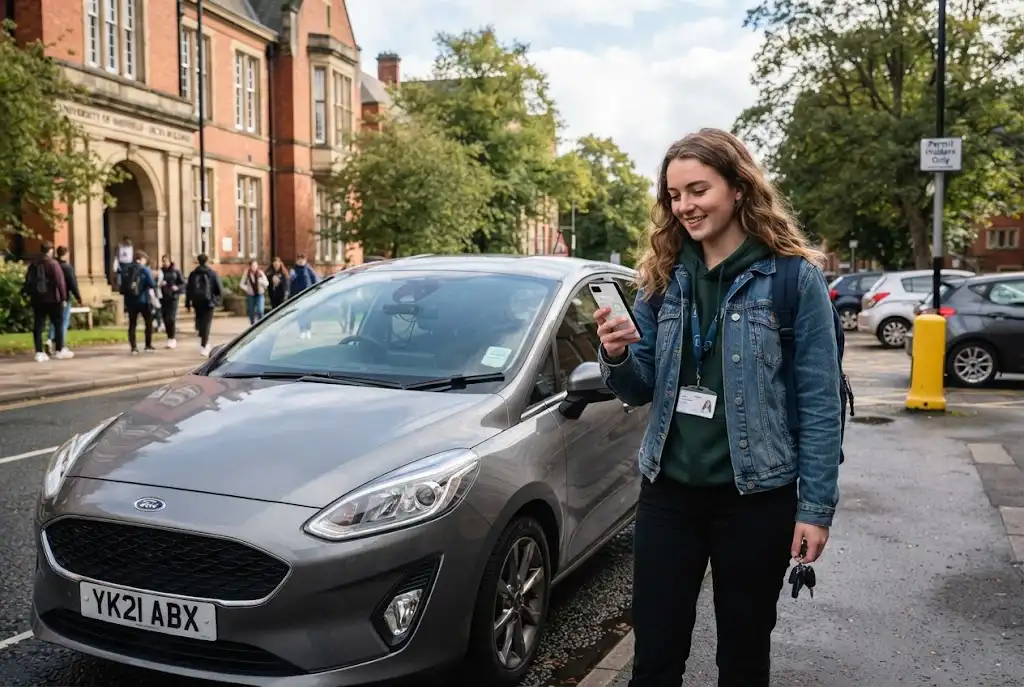
Student black box insurance can be an option for young and inexperienced drivers looking for a potentially more affordable way to insure a car in the UK. Also known as telematics or “pay how you drive” insurance, these policies use technology to collect information about how a vehicle is driven.
For students, this can be particularly relevant because younger drivers often face higher premiums than more experienced motorists. A telematics policy may allow an insurer to take actual driving behaviour into account alongside traditional factors such as age, location and vehicle. However, black box insurance is not automatically cheaper for everyone, and the policy conditions can vary significantly between insurers.
This guide explains how student black box insurance works, what it can monitor, the potential benefits and drawbacks, and what to check before choosing a telematics policy.
What Is Student Black Box Insurance?
Student black box insurance is a type of motor insurance that uses telematics technology to assess how a vehicle is driven. Depending on the insurer, the technology may involve a physical device fitted to the car, a small self-installed device, an app, or technology built into the vehicle.
The Association of British Insurers explains that telematics policies primarily use GPS technology to measure aspects of vehicle use and driving performance. Insurers may consider information such as mileage, road types, time of day, speed and braking patterns when assessing risk.
The idea is relatively straightforward: instead of relying entirely on traditional risk factors, the insurer can use driving data to develop a more individual picture of how the vehicle is being used.
How Does Student Black Box Insurance Work?
When you take out a telematics policy, the insurer explains how the monitoring system will collect and use driving information. The exact process depends on the provider and the product.
A physical black box may be installed in the car, while another policy may use an app connected to a device or the vehicle itself. Once active, the system can collect information relevant to the insurer’s assessment of driving behaviour.
Depending on the policy, the information may include:
- Speed and acceleration
- Braking patterns
- Distance travelled
- Types of roads used
- Time of day the vehicle is driven
- Other indicators of driving behaviour
Not every insurer uses exactly the same measurements or scoring system. The ABI notes that insurers assess driving performance differently, so students should read the policy terms carefully before buying.
Why Is Telematics Insurance Popular With Students?
Young drivers can face higher car insurance premiums because insurers generally consider them a higher-risk group. The ABI reports that drivers aged 17 to 24 represent 7% of UK licence holders but are involved in 24% of fatal collisions, which helps explain why premiums can be higher for this age group.
A telematics policy gives insurers another source of information about driving behaviour. If a student demonstrates safer driving, the insurer may offer a lower premium or another benefit, depending on the policy.
This does not mean that every student will save money with a black box. Instead, it gives students another insurance option to compare alongside conventional policies.
Can Student Black Box Insurance Be Cheaper?
It can be, but there is no guarantee.
The ABI says telematics insurance can help cut the cost of insurance for safer young drivers. However, it also specifically warns that telematics policies are not always cheaper than traditional insurance.
Your premium can still depend on traditional factors such as your age, address, vehicle, driving experience and claims history. Driving behaviour may then be used as an additional factor.
For that reason, students should compare the total cost and conditions of a telematics policy against conventional student car insurance rather than assuming that a black box will automatically produce the lowest quote.
What Are the Benefits of Student Black Box Insurance?
Telematics can offer several potential advantages for students, particularly those who are comfortable with driving data being collected.
Potentially Lower Premiums
One of the main reasons students consider telematics is the possibility of reducing insurance costs. Safer driving may be rewarded with a lower premium or other benefits, depending on the insurer’s terms.
This can make telematics worth comparing for students who are facing expensive conventional insurance quotes.
Feedback on Driving
Some telematics policies provide feedback through an online portal or mobile app. This can help drivers understand how their driving is being assessed and identify areas where they could improve.
For a newly qualified driver, that feedback may be useful beyond its potential insurance benefit. Developing smoother braking, appropriate speeds and safer driving habits can contribute to better road awareness.
Encourages Safer Driving
Knowing that driving behaviour is being monitored may encourage some students to drive more carefully. The ABI identifies feedback and incentives for safer driving as potential benefits of telematics policies.
Possible Accident Assistance
Some telematics systems can provide additional services following an accident. Depending on the insurer and technology, telematics data may help with accident investigation or claims handling.
However, these features are not universal, so students should check the individual policy rather than assuming every black box provides the same services.
What Are the Disadvantages of Student Black Box Insurance?
Although telematics can be useful, it is not the right option for every student.
Driving May Be Monitored
The central feature of telematics insurance is the collection of driving data. Some students may prefer a conventional policy because they do not want their driving behaviour monitored.
You should understand what data is collected, how it is used, how long it may be retained and who may have access to it. The ABI explains that telematics policies can involve information being shared with policyholders through online portals, including driving information relating to named drivers.
Driving Behaviour Can Affect Benefits
Not every telematics policy simply rewards good driving. Depending on the provider, poor driving performance may mean that you do not receive a discount, may face an additional charge, or could face other consequences under the policy terms.
The ABI states that insurers respond differently to higher-risk driving behaviour, so it is important to understand the specific policy before purchasing it.
There May Be Driving Restrictions
Some telematics policies can include restrictions on when or where a vehicle may be driven. For example, a policy may impose an additional charge if the vehicle is used during certain hours.
This matters for students because university life can involve late-night travel, part-time jobs, social activities and journeys that were not part of your driving routine when you first obtained the policy.
Before buying, check whether the policy restricts driving at particular times or places and whether those restrictions fit your normal routine.
There May Be Device Charges
A physical black box may involve installation or removal charges, depending on the insurer. There could also be a charge associated with recovering the cost of the device if you cancel the policy early.
These costs should be considered when comparing the overall price of a policy rather than looking only at the initial annual premium.
Student Telematics Insurance and Night-Time Driving
Students should pay particular attention to any rules concerning night-time driving. University students may occasionally travel late at night, work evening shifts or return from social events during hours when some telematics policies may impose restrictions.
Not every telematics policy has a curfew. The ABI confirms that some policies have restrictions while others do not.
Therefore, do not reject all black box policies because you assume they automatically impose a curfew. Instead, check the actual terms of each policy and choose one that fits how you realistically expect to use your car.
What Happens If You Have Named Drivers?
If other people regularly drive the vehicle, check how the telematics policy treats their driving behaviour.
The ABI notes that most telematics policies assess how the vehicle is driven overall rather than focusing exclusively on the main driver. This means the driving of named drivers or other permitted users can potentially influence the insurance assessment or benefits.
This is particularly important if a student shares a car with a parent, sibling or partner. Before adding another driver, ask the insurer how their driving data will be treated under the policy.
Can Students Use an App Instead of a Physical Black Box?
Yes. A black box is not necessarily a physical box fitted permanently inside the vehicle.
Telematics technology can take several forms. According to the ABI, it may involve a computer built into the car, a device installed by the insurer, or a smartphone app.
This gives students different options when comparing policies. An app-based system may be more convenient for some drivers, while another student may prefer a professionally installed device.
Always check whether your phone needs to be compatible, whether the app must remain active during journeys, and whether there are any additional device or installation requirements.
How to Compare Student Black Box Insurance
Comparing student black box insurance requires more than checking which provider has the lowest starting price. Look at how the policy works from the beginning to the end of the insurance term.
Consider these factors:
- Initial premium: Compare the quoted annual cost.
- Monitoring method: Check whether the policy uses a box, app, tag or built-in vehicle technology.
- Driving measurements: Find out what behaviours are monitored.
- Curfews: Check whether there are restrictions on driving times.
- Mileage: Understand any annual mileage limits or charges.
- Scoring: Find out how your driving performance is assessed.
- Premium changes: Check whether driving data can change your price during the policy.
- Device costs: Look for installation, removal or cancellation charges.
- Data use: Understand how driving information is collected and shared.
- Excess: Compare compulsory and voluntary excesses with other policies.
The ABI recommends reading the terms and conditions before purchasing telematics insurance because the effect of driving behaviour varies between insurers.
Is Student Black Box Insurance Right for You?
A black box policy may be worth considering if you are a student facing high conventional insurance quotes and are comfortable with the monitoring involved.
It can be particularly appealing if you are a careful driver and are willing to follow the policy’s requirements. However, students who regularly drive late at night, exceed mileage limits or dislike the idea of driving data being monitored should compare conventional alternatives carefully.
There is also no reason to assume that telematics is always the best choice simply because you are a young driver. The right decision comes from comparing several suitable policies and understanding what each one actually provides.
Tips for Getting the Most From Student Telematics Insurance
If you choose telematics, treat the policy as more than a way to obtain a potentially lower premium. Use it as an opportunity to develop consistent and safer driving habits.
- Follow posted speed limits.
- Avoid harsh acceleration and braking where it is unnecessary.
- Allow enough time for journeys rather than rushing.
- Keep your phone safely away while driving.
- Understand any mileage limits before taking long trips.
- Check whether late-night driving is restricted.
- Review feedback from the insurer when it is available.
- Tell the insurer if your circumstances change where required.
These habits can also help reduce the likelihood of accidents and future claims. A clean claims history may become valuable as you gain more driving experience.
Student Black Box Insurance vs Traditional Cover
The main difference is how the insurer assesses driving risk.
With traditional motor insurance, the insurer uses information such as the driver’s age, experience, location, vehicle and claims history to calculate the premium. A telematics policy adds information about actual vehicle use and driving behaviour.
Neither approach is automatically better for every student. Traditional cover may suit someone who wants fewer monitoring requirements, while telematics may appeal to a student who wants their driving behaviour to play a greater role in the pricing of their policy.
For students primarily concerned with affordability, it makes sense to compare both options. Our guide to cheap student car insurance covers additional ways to approach the search for a lower-cost policy.
Frequently Asked Questions
Does a black box guarantee cheaper student insurance?
No. Telematics can potentially reduce insurance costs for safer drivers, but it is not guaranteed to be cheaper than conventional cover. The ABI explicitly advises that telematics policies are not always cheaper.
Does a black box track where I drive?
Depending on the technology and policy, telematics can use GPS and may collect information about where and when a vehicle is driven. Check the insurer’s privacy information and policy terms to understand exactly what data is collected and used.
Can late-night driving affect my policy?
It can. Some telematics policies impose restrictions or charges relating to particular driving times, while others do not. Always check the specific terms before buying.
Can someone else drive my car with a black box?
Potentially, if they are correctly insured to drive the vehicle. However, their driving may also be considered by the telematics system, depending on the policy. Check the insurer’s rules before allowing another person to drive.
Is telematics only for students?
No. Telematics is available to a wider range of drivers and is particularly associated with young and novice motorists because it can allow insurers to assess driving behaviour in addition to traditional risk factors.
Final Thoughts on Student Black Box Insurance
Student black box insurance can provide an alternative way for young drivers to approach the cost of car insurance. By using telematics technology, insurers can consider information about how a vehicle is driven alongside factors such as age, location and driving history.
The potential savings can be attractive, but students should not assume that every black box policy will be cheaper. Restrictions, mileage rules, monitoring methods, device charges, excesses and data policies can all affect whether a particular product represents good value.
The best approach is to compare telematics and conventional policies side by side. If you choose a black box, understand exactly how your driving is assessed and make sure the policy fits your university lifestyle. Used responsibly, telematics can potentially help students manage insurance costs while encouraging safer driving habits.
