

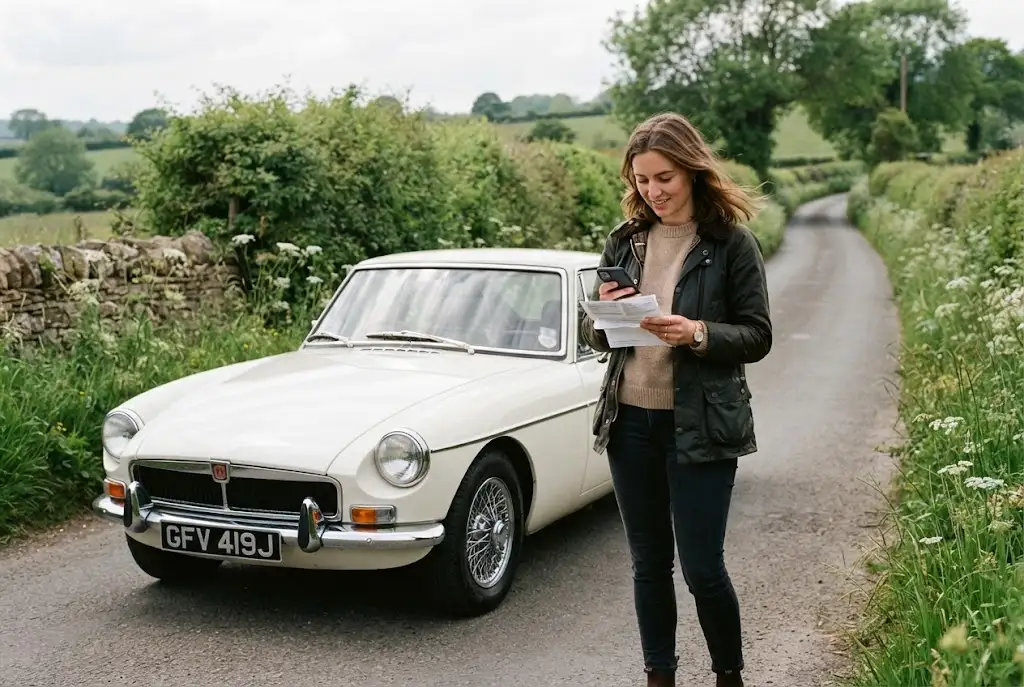
Classic car insurance for young drivers can be more complicated than ordinary young driver cover because insurers may consider both the driver’s age and experience and the characteristics of the classic vehicle. While specialist policies can offer features designed around limited mileage, vehicle use and careful ownership, not every young driver or classic car will qualify.
For younger motorists interested in owning an older or specialist vehicle, understanding how classic insurance works is important before buying a car. The definition of a classic car, eligibility requirements, permitted use, mileage restrictions and security arrangements can all vary between insurers. This guide explains the main considerations and what young drivers should check before choosing a policy.
What Is Classic Car Insurance for Young Drivers?
Classic car insurance for young drivers is specialist motor insurance intended for younger motorists who own or drive a vehicle that qualifies for classic or specialist vehicle cover. Unlike a conventional policy, classic car insurance may be designed around the particular way a classic vehicle is used and maintained.
Classic vehicles are often driven less frequently than everyday cars. Some owners use them for weekend trips, shows, club events or leisure driving rather than commuting every day. Because of this, specialist insurers may structure policies around factors such as restricted mileage, agreed value or the vehicle’s condition.
However, being interested in classic cars does not automatically make a young driver eligible. Insurers can set their own minimum age, vehicle age, mileage, storage and usage requirements.
Is Classic Insurance for Young Drivers Available?
Classic insurance for young drivers is available in some circumstances, but age restrictions can be significant. Many specialist policies are designed for more experienced motorists, meaning younger applicants may have fewer options.
Eligibility can depend on several factors, including the driver’s age, licence history, driving experience, claims history and the type of classic vehicle. The insurer may also consider whether the vehicle is being used as a primary car or mainly for occasional leisure driving.
For this reason, young motorists should check eligibility before purchasing a vehicle on the assumption that specialist insurance will be available.
What Makes a Car Eligible for Classic Insurance?
There is no single universal age at which every insurer automatically classifies a vehicle as a classic. Different providers can use different definitions and underwriting criteria.
Some insurers focus on the vehicle’s age, while others may also consider its condition, rarity, collectability, value, modifications and intended use. A vehicle that qualifies for classic cover with one provider may therefore not meet another provider’s criteria.
When considering a classic car, check the insurer’s eligibility requirements before committing to the purchase. This is especially important for young drivers because age restrictions may apply independently of the vehicle’s status.
How Does Young Driver Classic Car Insurance Work?
Young driver classic car insurance generally works in a similar way to other specialist motor policies, but the policy can be tailored around the characteristics and intended use of the vehicle.
Depending on the provider and policy, factors may include:
- The driver’s age and driving experience
- The age and type of vehicle
- Annual mileage
- Where the car is stored overnight
- Whether the vehicle is used for commuting
- Security arrangements
- Modifications to the vehicle
- The driver’s claims and conviction history
- The vehicle’s agreed or market value
The exact terms vary, so young drivers should read the policy documentation carefully rather than assuming that all classic policies offer the same benefits.
Is Classic Car Insurance Cheaper for Young Drivers?
A common question is: is classic car insurance cheaper for young drivers? There is no universal answer. Specialist classic cover can sometimes be priced differently from conventional insurance because the vehicle may be used less frequently, but young drivers can still face higher premiums because of their age and limited driving experience.
Several factors can affect the price. A young driver using a classic car for occasional leisure trips may present a different risk profile from someone using the vehicle every day for commuting. Similarly, a relatively inexpensive classic may be assessed differently from a rare, high-value or heavily modified vehicle.
It is therefore better to compare actual quotations for the specific driver and vehicle rather than assuming that classic insurance will automatically be cheaper.
Can Young Drivers Use a Classic Car Every Day?
This depends on the policy. Some classic insurance policies are intended for limited or recreational use rather than everyday commuting.
A young driver should never assume that a classic policy automatically allows unrestricted daily driving. If the vehicle is going to be used for commuting, business travel, regular school or university journeys, or another frequent purpose, the insurer should be told when obtaining the quotation.
Using a vehicle outside the permitted policy terms can create problems if a claim occurs. Always check the permitted usage stated in the policy documents.
Classic Car Insurance Young Driver Eligibility Factors
When assessing a young driver, an insurer may consider several elements beyond the vehicle itself.
Age and Driving Experience
Age can be an important underwriting factor. A newly qualified driver may have a shorter driving history than an older motorist, which can affect the range of available policies and premiums.
Driving Licence
The type of licence held and the length of time the driver has been licensed may form part of the insurer’s eligibility criteria. Drivers should provide accurate licence information when requesting quotations.
Previous Claims and Convictions
Previous claims, penalty points and motoring convictions can affect insurance applications. A young driver with a conviction may need to look at specialist options, particularly where standard insurers do not provide suitable quotations. This can be especially relevant when researching young convicted driver insurance.
Vehicle Storage
Where the classic car is kept when it is not being driven can also matter. Some specialist insurers may have specific expectations concerning secure storage or overnight parking.
Why Mileage Can Matter on Classic Insurance
Limited mileage is one of the features commonly associated with specialist classic vehicle policies. A classic car that is driven occasionally may have a different insurance profile from a vehicle used for long daily journeys.
However, young drivers should give a realistic mileage estimate. Choosing an artificially low mileage figure simply to obtain a lower quotation can create difficulties later if the actual use is substantially different.
Before taking out cover, consider how often the vehicle will realistically be driven, including trips to events, leisure journeys, maintenance-related travel and any other permitted uses.
Can a Young Driver Insure a Classic Car as Their Main Vehicle?
This depends on the insurer. Some classic policies may require another vehicle to be available for everyday transportation, while others may have different arrangements.
This requirement matters because many classic policies are built around the assumption that the insured vehicle is not being used in the same way as an ordinary daily car. If a young driver intends to rely on the classic as their only vehicle, they should specifically ask whether the policy permits that arrangement.
Never select a policy based solely on the word “classic”. The actual terms, usage restrictions and eligibility criteria are what determine whether the policy is suitable.
How Young Drivers Can Compare Classic Insurance
Comparing policies can be useful because specialist insurers may have different approaches to young drivers and classic vehicles.
When comparing quotations, look beyond the headline premium and check:
- Age eligibility
- Permitted annual mileage
- Permitted vehicle use
- Excess levels
- Agreed value arrangements, where applicable
- Breakdown assistance
- Security requirements
- Modification rules
- Driving restrictions
- Conditions relating to additional vehicles
A cheaper quotation is not necessarily equivalent to a policy with broader cover. Reviewing the policy wording can help a young driver understand exactly what is included.
Should Young Drivers Consider a Specialist Broker?
A specialist broker can be useful where a young driver has difficulty finding suitable classic cover through standard insurance searches. Brokers working with specialist motor markets may have access to insurers with different underwriting criteria.
This can be particularly relevant where the car is unusual, modified, highly valuable or subject to specific usage requirements.
However, young drivers should still compare the actual cover offered and check any fees or policy conditions before purchasing.
Classic Car Security and Young Driver Insurance
Security can be particularly important when insuring an older, rare or valuable vehicle. Depending on the policy, an insurer may ask about alarms, immobilisers, secure parking or other security measures.
Young drivers should answer security questions accurately. If a policy requires a particular security device or storage arrangement, those requirements should be followed throughout the policy period.
Classic Insurance for Young Drivers and Modifications
Classic cars are often modified, restored or upgraded. Changes can include suspension, wheels, exhaust systems, engine components, paintwork and interior features.
Any modifications should be disclosed where the insurer asks for them. Failing to disclose relevant changes can affect the validity or handling of a claim.
Before purchasing a modified classic car, it can therefore be sensible to establish whether the proposed insurer is comfortable covering the vehicle in its current specification.
Key Questions to Ask Before Buying a Policy
Young drivers can reduce uncertainty by asking the insurer or broker several straightforward questions before purchasing cover:
- Does the driver meet the minimum age requirement?
- Does the vehicle qualify as a classic under this policy?
- Can the car be used as the main vehicle?
- Is commuting permitted?
- What annual mileage is allowed?
- Are modifications covered?
- Is secure storage required?
- How is the vehicle valued if it is written off?
- Are there restrictions on other drivers?
- Are there any additional conditions for young motorists?
Getting clear answers before buying the policy can help avoid misunderstandings later.
Classic Car Insurance for Young Drivers: Final Considerations
Classic car insurance for young drivers can provide an alternative route for motorists who own an eligible older or specialist vehicle, but eligibility and pricing vary considerably. Age, driving experience, vehicle type, mileage, usage, storage, claims history and modifications can all influence the available options.
Classic insurance is not automatically cheaper simply because the vehicle is older. Likewise, a classic policy may have restrictions that make it unsuitable for a young driver who needs a car for everyday travel.
The best starting point is to identify exactly how the vehicle will be used, check the insurer’s eligibility requirements and obtain quotations based on accurate information. Young motorists can then compare the policy terms as well as the premium.
For readers continuing to research specialist young-driver cover, the next useful areas include Marmalade young driver insurance and other young driver insurance providers. Understanding the differences between mainstream and specialist options can make it easier to identify policies that match the driver’s circumstances.

1 Comment
Pingback: Marmalade Young Driver Insurance: UK Guide