

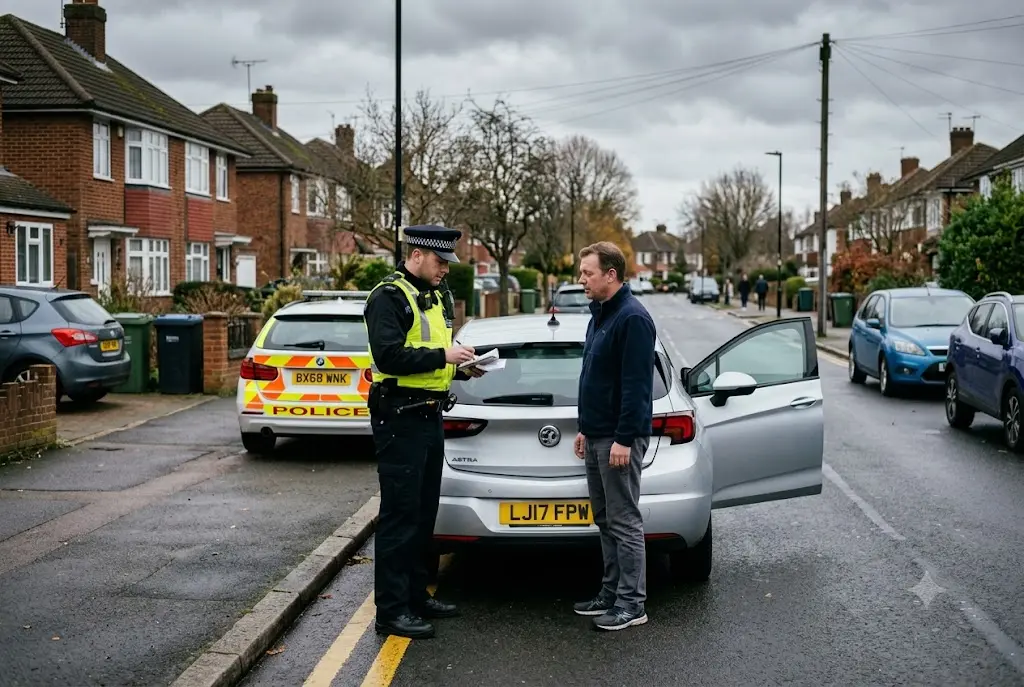
If you own or drive a car in the UK, understanding when your vehicle must have insurance is essential. Car insurance isn’t optional—it’s a legal requirement in most situations, and failing to comply can lead to serious penalties.
This guide explains exactly when insurance is required, who can drive your car, and how to check your insurance details.
When Is Car Insurance Legally Required?
In the UK, your vehicle must be insured if:
- You drive it on public roads
- You park it on a public street
- It is registered and not declared off-road (SORN)
This rule is known as Continuous Insurance Enforcement (CIE), which means your vehicle must always be insured unless officially declared off the road.
What If Your Car Is Not Being Used?
If you’re not using your car and want to avoid paying insurance, you must declare it as off the road by applying for a Statutory Off Road Notification (SORN).
Without a SORN, your car must still be insured—even if it’s parked and not driven.
Who Can Drive With a Learner Driver?
If you’re learning to drive, you must have valid insurance before getting behind the wheel. Typically, a learner driver must:
- Be supervised by a qualified driver over 21
- Have held a full licence for at least 3 years
- Be covered by appropriate insurance (either their own policy or as a named driver)
The supervising driver must also ensure that the vehicle is properly insured for the learner.
Can Someone Else Drive Your Car?
Not everyone is automatically allowed to drive your car. Permission depends on the insurance policy:
- Named drivers listed on your policy can drive your car
- Some comprehensive policies allow “driving other cars” (DOC), but this is limited
- Always check policy terms before allowing someone else to drive
Letting an uninsured driver use your vehicle can lead to penalties for both parties.
How Do I Know Who My Insurance Provider Is?
If you’re unsure who your car insurance provider is, you can check:
- Your policy documents or emails
- Your bank statements for payments
- The Motor Insurance Database (MID)
Knowing your provider is important when managing renewals, claims, or queries—especially when tracking when your car insurance is due.
Penalties for Not Having Insurance
Driving without insurance in the UK is a serious offence. Penalties can include:
- Fixed fine of £300
- 6 penalty points on your licence
- Unlimited fines or disqualification in severe cases
- Vehicle seizure or destruction
These penalties highlight why maintaining continuous cover is essential.
Why Insurance Rules Affect Costs
Legal requirements and enforcement contribute to overall pricing structures. Factors such as uninsured drivers and claims costs are part of why car insurance is so expensive in the UK.
Understanding these rules can help you make more informed decisions about your policy.
Official UK Insurance Requirements
The UK government provides clear guidance on vehicle insurance laws and responsibilities.
You can check full details on the official vehicle insurance page, which explains legal requirements and enforcement.
Tips to Stay Compliant
To avoid penalties and stay protected:
- Ensure your vehicle is always insured or declared SORN
- Check who is covered to drive your car
- Keep your insurance documents accessible
- Renew your policy before it expires
Staying organised can help you avoid legal trouble and unnecessary costs.
How Vehicle Choice Impacts Insurance
Your car also affects your insurance requirements and costs. Some vehicles are cheaper to insure due to lower risk levels.
If you’re considering a new car, understanding what’s the cheapest insurance group can help you reduce premiums.
Final Thoughts
So, when must your vehicle have insurance? In most cases—always, unless it’s officially declared off the road.
By understanding UK insurance laws and keeping your policy up to date, you can stay compliant, avoid penalties, and drive with confidence.
