

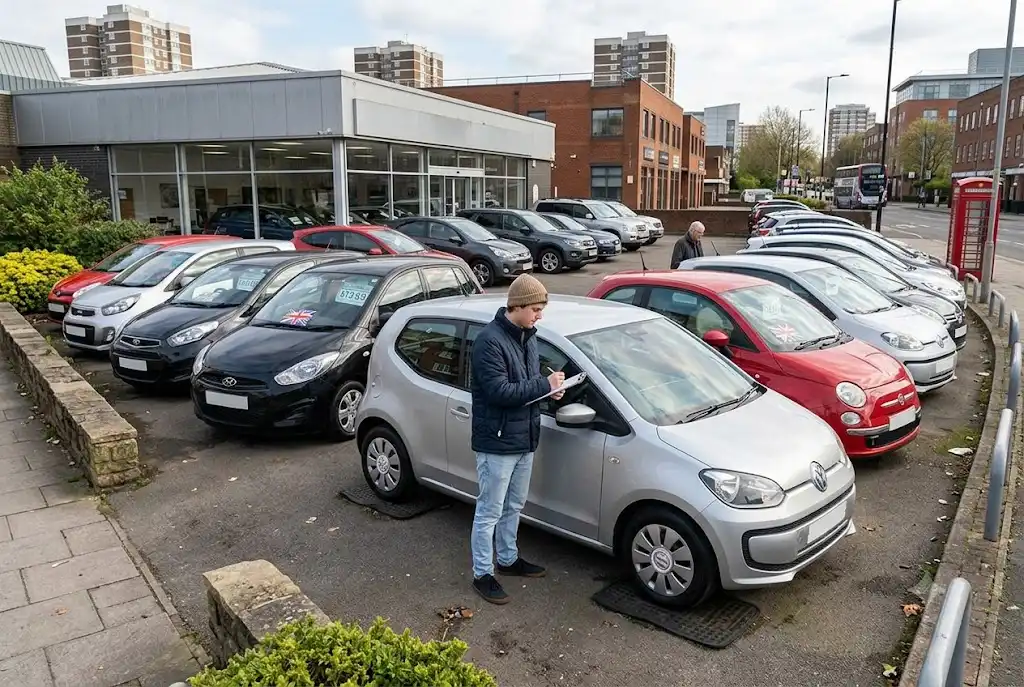
If you’re looking to save money on car insurance, one of the most important factors to consider is your vehicle’s insurance group. So, what’s the cheapest insurance group? In the UK, cars are ranked from Group 1 (cheapest) to Group 50 (most expensive), and choosing a lower group can significantly reduce your premium.
This guide explains how insurance groups work and which cars are typically the cheapest to insure.
What Are Car Insurance Groups?
Car insurance groups are a rating system used by insurers to determine how much it costs to insure a vehicle. Each car is placed into a group based on factors such as:
- Engine size and performance
- Car value and repair costs
- Safety features and security
- Availability of replacement parts
The lower the group number, the cheaper the insurance is likely to be.
Which Is the Cheapest Insurance Group?
Group 1 cars are the cheapest to insure in the UK. These vehicles are usually small, low-powered, and inexpensive to repair.
Examples of cars often found in the lowest insurance groups include:
- Small city cars (e.g. 1.0L engines)
- Entry-level hatchbacks
- Vehicles with basic features and strong safety ratings
What Makes a Car Cheap to Insure?
Cars in lower insurance groups tend to share common characteristics:
- Low engine power and slower acceleration
- Affordable repair and replacement parts
- Good safety ratings
- Lower risk of theft
These factors reduce the risk for insurers, which leads to lower premiums.
Are Cheap Insurance Cars Always the Best Choice?
While choosing a low insurance group can save money, it’s not the only factor to consider. You should also think about:
- Fuel efficiency
- Reliability and maintenance costs
- Your driving needs and lifestyle
A slightly higher group car may still be affordable if it better suits your needs.
Why Insurance Groups Affect Your Premium
Your car’s insurance group is one of the biggest factors influencing your premium. Higher group vehicles are more expensive to repair or replace, which increases costs.
This is one of the reasons behind why car insurance is so expensive in the UK, especially for drivers with high-performance vehicles.
Other Ways to Reduce Your Insurance Costs
In addition to choosing a low insurance group, you can reduce your premium by:
- Increasing your voluntary excess
- Building a no-claims bonus
- Parking in a secure location
- Limiting your annual mileage
Understanding when you pay excess on car insurance can also help you choose the right balance between premium and risk.
Do All Insurers Use the Same Groups?
Most UK insurers follow the standard group rating system, but pricing can still vary between providers. Some insurers may specialise in certain types of drivers or vehicles.
This is why it’s worth comparing quotes—even for the same car.
Which Car Insurers Are Not on Comparison Sites?
Not all insurers appear on comparison websites. Some companies only offer quotes directly, which means you could miss out on better deals if you rely solely on comparison tools.
Checking direct insurers alongside comparison sites can help you find the best price.
Official UK Vehicle Data
Insurance groups are based on detailed vehicle data and risk assessments. These classifications help ensure fair and consistent pricing across the industry.
You can explore vehicle information and registration details through the DVLA vehicle information service.
How Timing and Renewal Affect Costs
Choosing the right car is only part of the equation. Timing your renewal also plays a role in how much you pay.
For example, knowing when your car insurance is due allows you to shop around early and avoid higher last-minute prices.
Final Thoughts
So, what’s the cheapest insurance group? Group 1 vehicles are the most affordable to insure, making them a great choice for new drivers and anyone looking to save money.
By combining a low insurance group with smart choices around excess, timing, and provider comparison, you can significantly reduce your overall insurance costs.
