

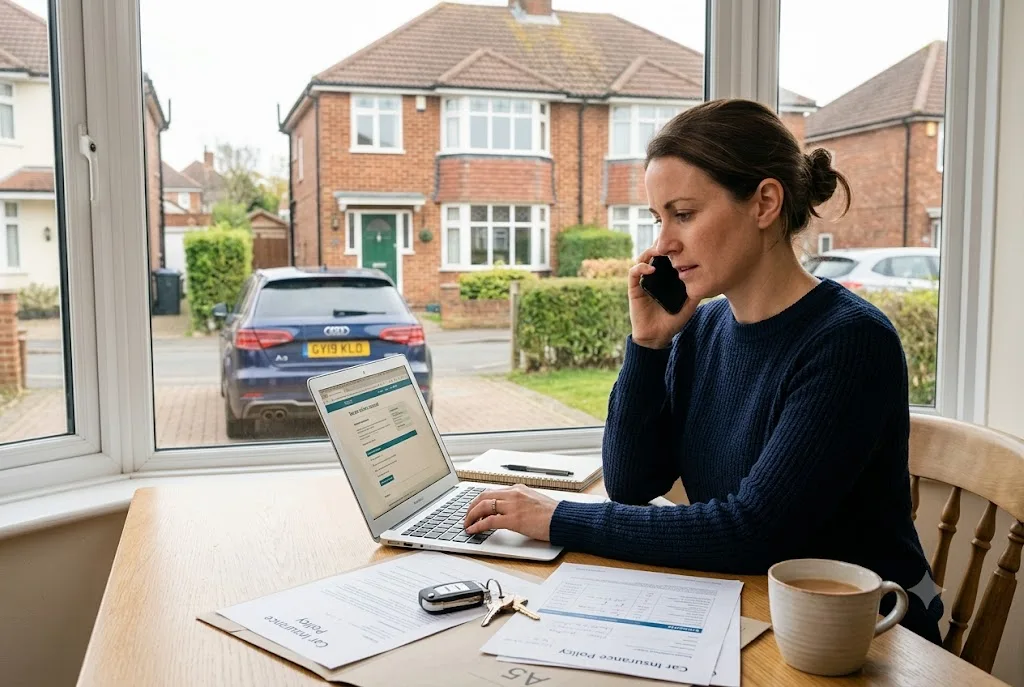
There may come a time when you need to remove named driver from insurance, whether because they no longer use the vehicle, have purchased their own car, or your circumstances have changed. Fortunately, most UK insurers allow policyholders to update named drivers during the policy term. However, it’s important to understand how these changes may affect your premium, policy terms, and any administration fees.
This guide explains how to remove or replace a named driver, when changes can be made, and what you should consider before contacting your insurer.
Can You Remove a Named Driver from Insurance?
Yes. Most UK car insurance providers allow policyholders to remove a named driver at any point during the policy period.
Since only the policyholder has the authority to make changes, the named driver cannot usually request their own removal unless they are also the policyholder.
After the insurer processes the request, they will normally issue updated policy documents reflecting the changes.
Reasons to Remove a Named Driver
There are many legitimate reasons why someone may wish to remove a named driver from a policy.
- The driver has purchased their own vehicle.
- They no longer use the insured car.
- The family circumstances have changed.
- The driver has moved to another address.
- The policyholder wants to simplify the policy.
- The driver has stopped driving altogether.
Whatever the reason, you should notify your insurer as soon as possible to keep your policy information accurate.
How to Remove a Named Driver from Insurance
The process is usually straightforward.
Contact Your Insurer
Most insurers allow policy changes by phone, through an online account, or via their customer service team.
Provide Policy Details
You may need to confirm:
- Your policy number.
- The name of the named driver.
- The effective date of the change.
- Your identity for security purposes.
Review the Updated Premium
After recalculating the policy, the insurer will confirm whether your premium changes or whether an administration fee applies.
Receive Updated Documents
Always check the revised insurance schedule to ensure the named driver has been removed correctly.
Will Removing a Named Driver Reduce Insurance?
Not necessarily.
Whether your premium increases or decreases depends on the remaining drivers and the insurer’s risk assessment.
For example:
- Removing a young, inexperienced driver may reduce the premium.
- Removing an experienced driver who helped balance the policy risk could result in little change or, in some cases, even a slight increase.
If you’re curious about how named drivers influence pricing, read our guide on does adding a named driver reduce insurance.
Can You Change a Named Driver?
Yes. If one person no longer needs access to the vehicle, you may be able to change named driver by removing them and adding someone else.
The new driver will usually need to provide:
- Full name.
- Date of birth.
- Occupation.
- Address.
- Driving licence details.
- Claims history.
- Convictions, if applicable.
The insurer will assess the new driver’s risk before confirming the updated premium.
Replacing a Named Driver
Replacing a named driver follows a similar process to removing one. The insurer recalculates the policy using the details of the new driver.
The final premium depends on factors such as:
- Age.
- Driving experience.
- Claims history.
- Vehicle use.
- Postcode.
- Annual mileage.
Different insurers apply different underwriting criteria, so the financial impact varies between providers.
Deleting a Named Driver from Insurance Mid-Policy
Deleting named driver from insurance during an active policy is generally permitted, but some insurers charge a mid-term adjustment fee.
Possible outcomes include:
- A reduced premium.
- An increased premium.
- No premium change.
- An administration charge.
Ask your insurer for a full breakdown before confirming the amendment.
Can a Removed Named Driver Still Drive the Vehicle?
No.
Once the insurer removes someone from the policy, they are no longer insured to drive that vehicle unless separate insurance cover exists.
Driving without valid insurance is illegal in the UK and may lead to fines, penalty points, vehicle seizure, or prosecution.
When Should You Update Your Policy?
You should update your insurer as soon as circumstances change.
Keeping your policy accurate helps ensure:
- Claims remain valid.
- Your insurer has correct information.
- You avoid allegations of misrepresentation.
- Your premium accurately reflects the insured risk.
Related Named Driver Topics
If you’re removing a young family member from your policy after they purchase their own vehicle, our guide on young driver named on parents insurance explains how these arrangements work.
You may also want to understand the driving permissions that apply before making changes by reading can a named driver drive any car.
Finally, if you’re changing insurers altogether, our guide to the best named driver insurance compares features to consider when selecting a new policy.
Frequently Asked Questions
Can I remove a named driver at any time?
In most cases, yes. UK insurers generally allow changes during the policy period, although administration fees may apply.
Will I receive a refund after removing a named driver?
Possibly. If removing the driver lowers the premium, your insurer may provide a partial refund after accounting for any applicable fees.
Can a named driver remove themselves?
Usually not. Only the policyholder can authorise policy changes unless the insurer has specific alternative procedures.
How long does it take to remove a named driver?
Many insurers process changes immediately, while others may take a short period to issue updated documentation.
Conclusion
Choosing to remove named driver from insurance is often a simple process, but it’s important to understand how it may affect your premium and policy conditions. Whether you’re replacing a named driver, updating family circumstances, or simplifying your insurance, always notify your insurer promptly and review the updated documents carefully. Accurate policy information helps ensure you remain properly insured and avoids complications if you ever need to make a claim.
For independent guidance on UK motor insurance, visit the Association of British Insurers (ABI).
