

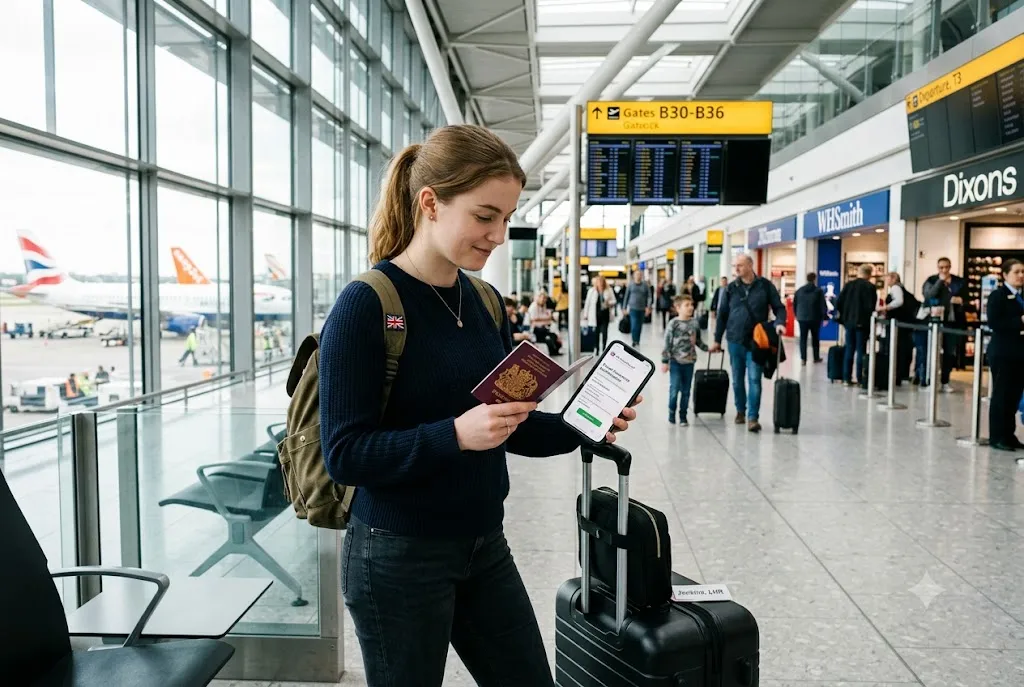
If you’re planning a trip, one of the most common questions is: “when should I buy travel insurance?” The answer is simple—earlier than you might think. Buying travel insurance at the right time can protect your money and give you peace of mind before and during your trip.
This guide explains when to purchase travel insurance, when cover starts, and why timing matters.
When Is the Best Time to Buy Travel Insurance?
The best time to buy travel insurance is immediately after booking your trip. As soon as you’ve paid for flights, accommodation, or holiday packages, you should consider getting covered.
This ensures protection against unexpected events that could happen before your departure, such as illness, cancellations, or travel disruptions.
When Does Travel Insurance Start?
Travel insurance typically starts as soon as you purchase the policy—but different types of cover begin at different times:
- Cancellation cover – starts immediately after purchase
- Medical and travel cover – begins when your trip starts
- Baggage cover – usually applies during your journey
This means buying early gives you more comprehensive protection, especially for cancellations.
Why Buying Early Matters
Delaying your purchase can leave you exposed to financial loss. For example, if you fall ill or need to cancel your trip before buying insurance, you won’t be covered.
Just like understanding when your car insurance is due helps you avoid gaps in cover, buying travel insurance early ensures continuous protection.
Can You Buy Travel Insurance Last Minute?
Yes, you can buy travel insurance right before your trip, even on the day of departure. However, this approach has limitations:
- You won’t be covered for events that already happened
- Cancellation protection may be limited or unavailable
- Some policies may have waiting periods
Last-minute policies are better than no cover, but they don’t offer the same level of protection as early purchase.
What Does Travel Insurance Cover?
Travel insurance policies typically include:
- Trip cancellation and interruption
- Medical emergencies and hospital treatment
- Lost, stolen, or delayed baggage
- Travel delays and missed departures
Coverage levels vary, so it’s important to read the policy details carefully.
How Timing Affects Cost
The cost of travel insurance doesn’t usually increase significantly the earlier you buy it, but waiting too long can reduce your options.
This is similar to how timing affects other types of insurance, including why car insurance is so expensive in the UK, where last-minute decisions can lead to higher premiums.
Annual vs Single-Trip Policies
If you travel frequently, an annual multi-trip policy may be more cost-effective than buying separate cover for each trip.
However, if you only travel occasionally, a single-trip policy is usually sufficient.
Understanding UK Travel Advice
Travel insurance is essential, especially when travelling abroad. The UK government advises travellers to have appropriate insurance before leaving the country.
You can check official travel advice and insurance recommendations on the UK foreign travel advice website.
Tips for Choosing the Right Policy
When buying travel insurance, keep these tips in mind:
- Buy as soon as you book your trip
- Declare any pre-existing medical conditions
- Check coverage limits for valuables and activities
- Compare policies to find the best value
Taking these steps can help ensure you’re fully protected.
How Travel Insurance Fits Into Your Overall Protection
Travel insurance is just one part of a broader protection strategy. For example, car insurance protects you on UK roads, while life insurance supports long-term financial planning.
If you’re exploring long-term options, you may also want to learn about whole of life insurance and how it provides lifelong coverage.
Final Thoughts
So, when should you buy travel insurance? The best answer is as soon as you book your trip. Early purchase gives you the widest protection and helps safeguard your investment.
By planning ahead and choosing the right policy, you can travel with confidence knowing you’re covered for the unexpected.
