

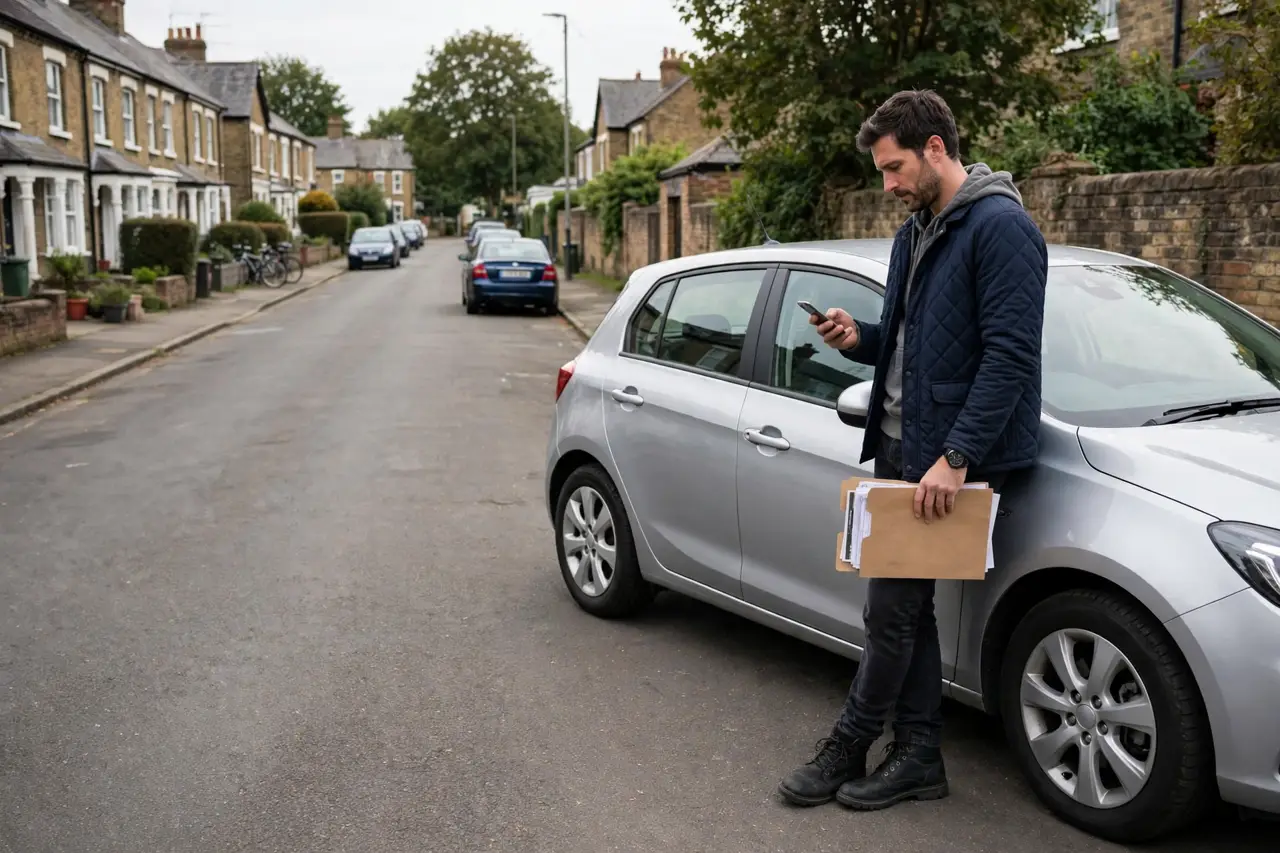
Whether you are buying a used car, borrowing a friend’s vehicle, or you have simply lost track of your own renewal date, there are times when you need to check if a car is insured before it is driven. In the UK this matters more than many people realise: driving without valid insurance is an offence, and the car itself can be seized. The good news is that checking is free, takes a couple of minutes, and can be done online with just the registration number. This guide explains the official way to check, what the result does and does not tell you, and what to do if a car turns out to be uninsured.
Why You Might Need to Check If a Car Is Insured
The most common reason is buying a used car. A seller may say the car is insured, but their policy usually ends the moment ownership changes, and in any case their insurance would not cover you driving it. You also need your own cover in place from the moment you drive away. Other common situations include checking your own car after an automatic renewal, confirming a named driver’s policy is active before they use your car, hiring or borrowing a vehicle privately, and checking a car that has been involved in a minor accident with you.
There is also a legal background worth knowing. Under Continuous Insurance Enforcement, it is an offence to keep a vehicle without insurance unless it is officially declared off the road with a SORN. Our explainer on when your vehicle must have insurance under UK law covers those rules in full.
The Official Way: Check the Motor Insurance Database
The UK’s official record of insured vehicles is the Motor Insurance Database (MID), maintained by the Motor Insurers’ Bureau. Every insurer must add the vehicles it covers to this database, and the public can check a registration through the free askMID service.
Checking your own vehicle
For a vehicle you own, the check is free. Enter the registration number on the askMID website and confirm the vehicle is yours. The result tells you whether the car appears on the database as insured. If you have only just taken out or renewed a policy, allow a little time for the database to update; insurers do not always add records instantly, and a very recent policy may not show immediately.
Checking someone else’s vehicle
Checking a vehicle you do not own is possible but restricted. There is a small fee, and you must have a legitimate reason, for example because you were involved in an accident with that vehicle. The service is not a general lookup tool for curiosity, and the result confirms insurance status at the time of the check rather than giving you the other driver’s policy details.
What the Result Actually Tells You
A positive result confirms the vehicle is recorded as insured, but it does not tell you who is covered to drive it, what level of cover applies, or whether extras such as commuting or business use are included. A car can be fully insured for its owner and still be completely uninsured for you. That is why the check answers only one question: is there a policy recorded against this registration? Questions about who may drive it are answered by the policy documents, not the database.
If you are unsure how policies, cover levels and named drivers fit together, our beginner’s guide to how car insurance works in the UK walks through the structure of a policy step by step.
If the Check Says the Car Is Not Insured
Do not drive the vehicle. If it is your own car and you believe you have a policy, contact your insurer straight away: the record may not have updated yet, or there may be an error with the registration held on your policy. Keep the car off the public road until it is resolved. If the car genuinely has no cover, arrange insurance before it moves anywhere; even a short drive to the shops can lead to a fixed penalty, points on your licence, and the car being seized. If you have bought a car that turns out to be uninsured, arrange your own policy on the spot, which is also a sensible moment to check your renewal date against our guide to when your car insurance is due so you never lapse accidentally.
If you only need cover briefly, for example to drive a purchased car home, short-term temporary insurance exists for exactly this situation. It can usually be arranged online in minutes and runs alongside, rather than replacing, any annual policy on the vehicle.
Common Problems When Checking
Sometimes a check fails even though a valid policy exists. The most frequent cause is timing: a policy bought or renewed in the last few hours may not have reached the database yet, so check again later the same day before worrying. Registration errors are another cause, both in what you type and in what your insurer recorded when the policy was set up; a single wrong character makes a car look uninsured. Private or cherished number plates can also cause confusion during the days after a plate transfer, when the database may still hold the old registration. In every case, your insurer can confirm the position immediately and correct the record if it is wrong.
Hire cars work differently. A rental vehicle is covered by the rental company’s own insurance arrangements, so it should always appear as insured, but the level of cover and the excess you are responsible for are set by your rental agreement. If you hire regularly, it is worth understanding how that cover works and what it costs, which our guide to how much rental car insurance costs explains in detail.
Other Ways to Confirm Cover
The database check is the starting point, but there are supporting checks worth doing. Your insurer’s app or online account shows your active policies and documents immediately. Your certificate of motor insurance, emailed or posted when you took out the policy, states the vehicle, the policyholder and the dates of cover. After an accident, insurers and the police can check the database themselves, which is why giving accurate details at the scene matters; our guide to how to make a car insurance claim explains what information to exchange.
To sum up: to check if a car is insured in the UK, use the free askMID check against the Motor Insurance Database for your own vehicle, remember that a recorded policy does not automatically cover you as a driver, and never drive a car that shows as uninsured until the position is sorted out. Two minutes of checking is far cheaper than the penalties for getting it wrong.

4 Comments
Pingback: Winter Driving Tips: How to Stay Safe on UK Roads This Winter - Cheap Car Insurance Britain
Pingback: Winter Driving Tips: Stay Safe on UK Roads This Winter
Pingback: Winter Driving Tips: Stay Safe on UK Roads This Winter
Pingback: Working Abroad Travel Insurance UK: Complete Guide for Expats